
Last updated November 25, 2026
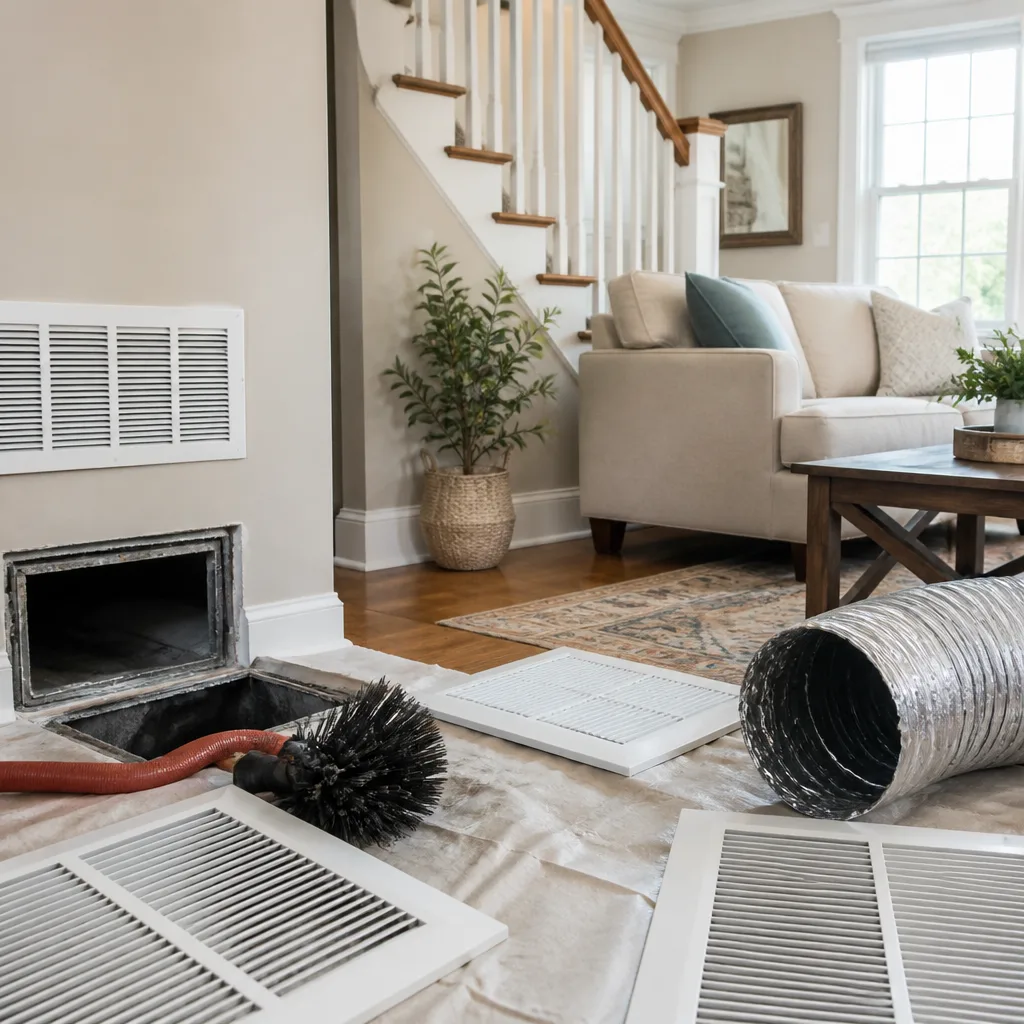 Whole-home duct cleaning
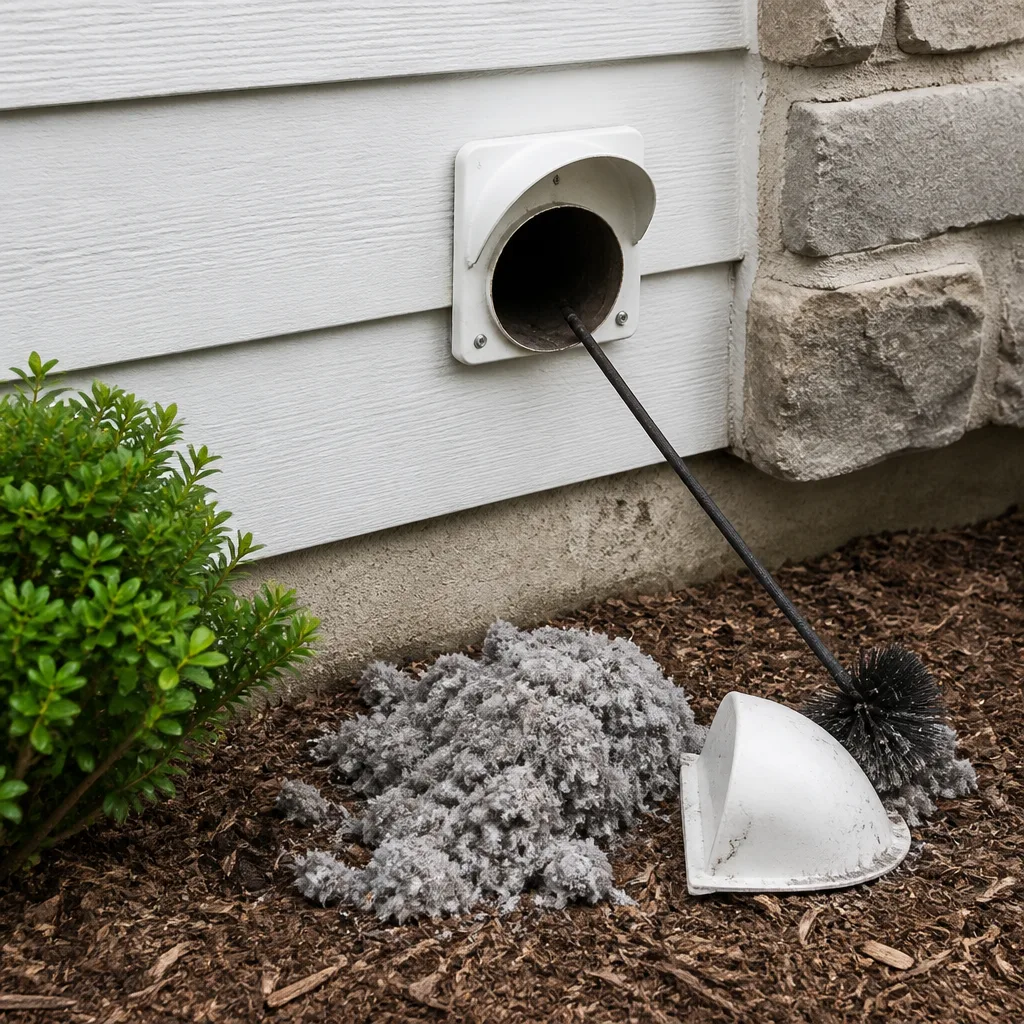 Dryer vent cleaning
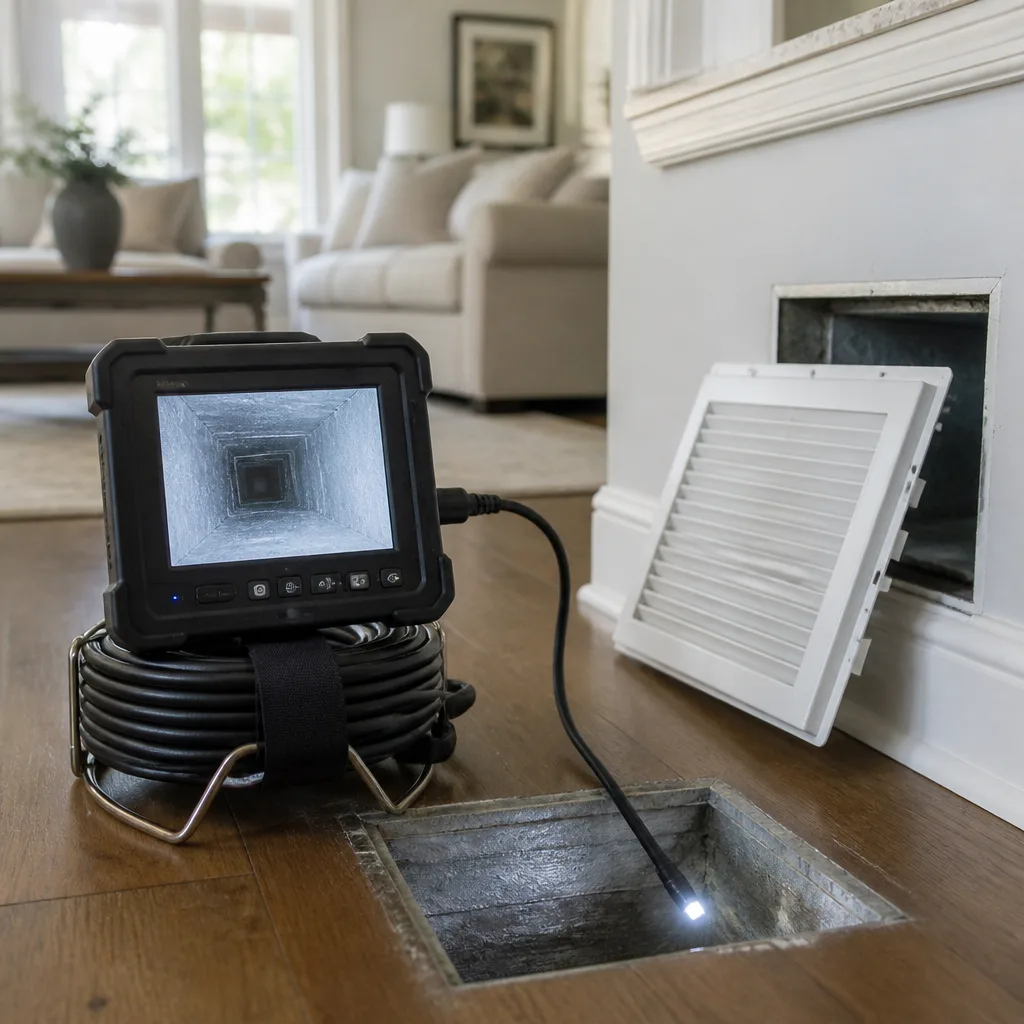 Camera inspection
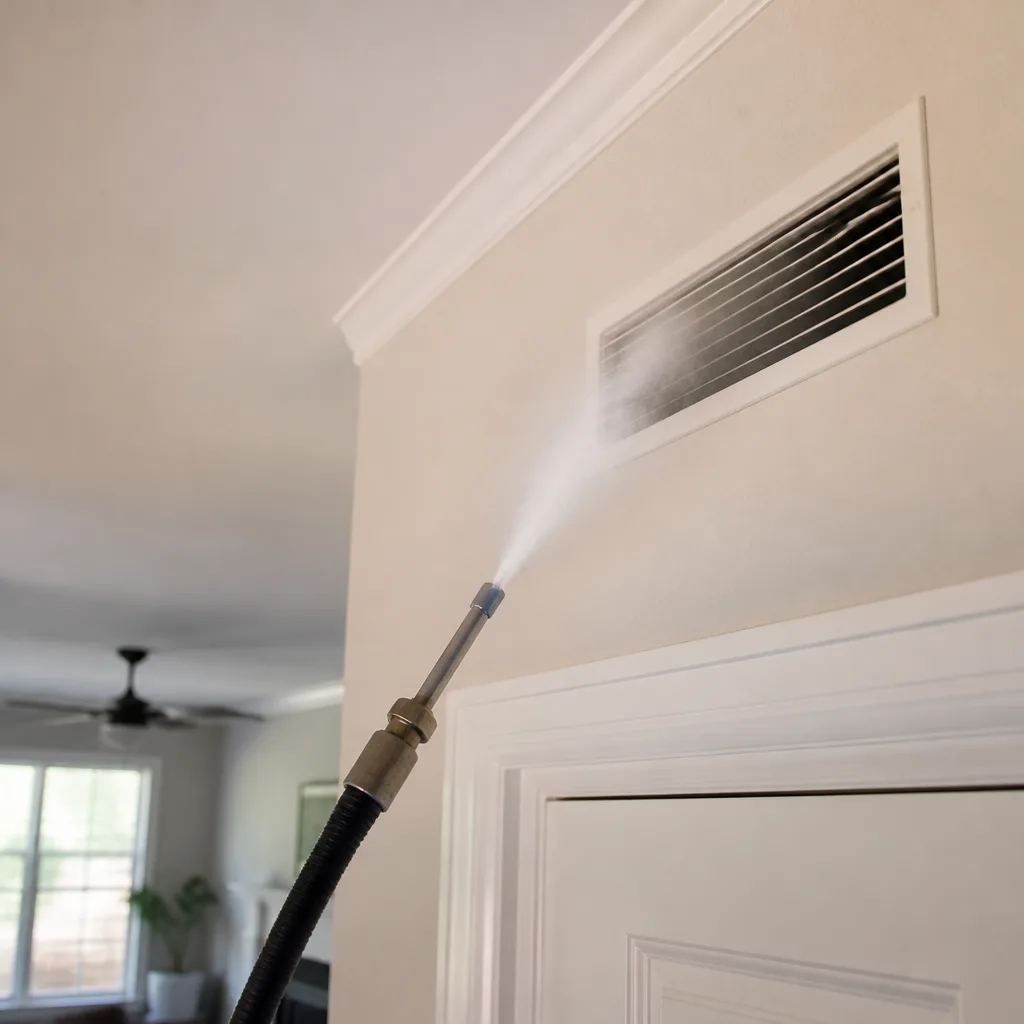 Sanitizing & deodorizing
Whole-system duct and dryer vent check with before-and-after photos - you see exactly what came out of your vents
That "$99 whole-house special" is a bait ad - the real number appears once they are in your hallway, or the "clean" is a shop-vac at the register. We photograph the inside of your ducts before and after instead.
Air Duct Cleaning Permits, Codes & Inspections in Ogden, UT: What You Need to Know
Most homeowners assume a duct cleaning crew can fix whatever it finds. That assumption is where projects go sideways. Duct cleaning itself is maintenance and rarely needs a permit. But the moment a technician reconnects a fallen trunk line, seals a joint with mastic, or swaps out a damaged section of galvanized pipe, the job crosses into mechanical work that Utah’s residential code regulates. In Ogden, that line matters at resale, at insurance renewal, and during a Weber County inspection. This guide walks through Utah Residential Code Section M1601, where the permit threshold actually sits, how Ogden City and Weber County divide jurisdiction, and what an inspector checks on duct repairs.
Quick Answer
Air duct cleaning on its own does not require a permit in Ogden, UT. Cleaning is classified as maintenance, and no mechanical permit is issued for routine contact cleaning or sanitizing. Duct repair, replacement, rerouting, or installing new ductwork does require a mechanical permit under Utah Residential Code Section M1601, and that permit comes through Ogden City or Weber County depending on the property’s jurisdiction. If a contractor is doing anything beyond cleaning, ask to see the permit before work starts.
Styles & brands we work with
- Whole-home duct cleaning
- Dryer vent cleaning
- Camera inspection
- Sanitizing & deodorizing
Table of Contents
- What Utah Residential Code Section M1601 Actually Says
- Ogden City vs. Weber County: Who Issues the Permit?
- When Duct Sealing Needs a Permit and When It’s Maintenance
- How to Verify a Contractor Is Pulling Permits
- What Unpermitted Duct Work Does to Your Homeowner’s Insurance
- The Utah Duct Repair Inspection: What the Inspector Checks
- Why Ogden’s Climate Makes Duct Repairs More Common
- Putting It in Order: Cleaning, Repair, Permit, Inspection
What Utah Residential Code Section M1601 Actually Says
M1601 is the section of the Utah Residential Code that governs duct systems in one- and two-family dwellings. It covers duct material, installation, sealing, support, clearances, and sizing. What matters most for a homeowner watching a technician crawl through the attic is the distinction the code draws between maintenance and installation. Cleaning and sanitizing are maintenance. Repairing, altering, or replacing duct components is closer to installation, and that’s where permits enter the picture.
The practical breakdown looks like this:
- Routine cleaning and sanitizing: No permit. Maintenance activity.
- Reconnecting a disconnected section exactly as it was: Often treated as maintenance, but the jurisdiction may still want notice, especially if the connection was covered by drywall or flooring.
- Sealing joints with mastic, mesh, or foil tape: Treated as maintenance when replacing existing sealant; treated as mechanical work when sealing was never there and the work changes the system’s rated leakage.
- Replacing a damaged duct run: Permit required. New material, new connections, new support points.
- Rerouting ductwork to serve a new room or moving a register: Permit required. This alters the system’s design.
- Adding a new trunk line or boot: Permit required. Same reason: design change.
The M1601 rules aren’t written to catch homeowners cleaning their ducts. They exist to make sure the system maintains its pressure balance, its clearances from combustibles, and its support spacing. A duct run that gets replaced without those standards applied can leak, sag, or lose enough pressure that the entire home’s heating and cooling balance shifts. That’s the outcome the code is trying to prevent, and it’s why a duct repair that looks like a ten-minute fix can be a permit job.
Ogden sits in a climate zone where the furnace runs hard for months and the summer cooling cycle is short but intense. Duct systems here take a real workout, and wear at flex duct connections and boot collars is common. When a technician finds that wear, the right response isn’t always “we’ll just tape it.” It’s: is this maintenance, or is this a repair the code wants recorded?
Ogden City vs. Weber County: Who Issues the Permit?
Inside Ogden City limits, mechanical permits for residential HVAC work come from the Ogden City Building Services division. Properties outside the city limits but still in Weber County are typically under Weber County’s building department jurisdiction. A handful of Ogden-area addresses sit in jurisdictions that overlap or adjoin city boundaries, so the address determines the authority, not the mailing city on the envelope.
Here’s how to confirm which jurisdiction applies to your home:
- Pull up the Weber County Assessor’s parcel map and look for your address.
- Check which municipality’s zoning code the parcel is in.
- If the parcel is in Ogden City, call Ogden City Building Services directly.
- If the parcel is unincorporated, call Weber County’s building department.
- Ask for the address’s permit history while you’re on the line, so you can see what previous work was permitted.
Why does this matter for a duct repair? Because permits go through the authority with jurisdiction, not through whichever one is cheaper or faster. If a contractor tells you “we don’t need to pull a permit for this” without knowing whether you’re in Ogden City or unincorporated Weber County, they haven’t checked. A contractor who knows the local jurisdiction can tell you in one sentence whether a permit is needed and who issues it. A contractor who can’t is either guessing or avoiding the question.
For duct cleaning specifically, no permit comes from either authority. Cleaning is not in the scope of work the building departments regulate. That’s one of the few things in this trade that is genuinely off the permit table.
When Duct Sealing Needs a Permit and When It’s Maintenance
Duct sealing is the most misunderstood step in the whole conversation. Homeowners hear “sealing” and think it’s obviously maintenance. Sometimes it is. Sometimes it’s a mechanical alteration that should be recorded.
The dividing line, in practice, tends to fall on three questions:
- Is the sealing replacing existing sealant in kind? If yes, it’s maintenance. Touch-ups on mastic that has cracked or peeled fall here.
- Is the sealing at a joint or connection that was never sealed and the system’s rated leakage changes? That’s the grey zone. Some jurisdictions treat it as maintenance; others want a mechanical permit because the work changes a performance characteristic of the system.
- Is the sealing part of a larger repair, reroute, or replacement? Permit required. The sealing gets folded into the mechanical permit for the whole job.
Aeroseal and similar injection sealing systems sit in a different category altogether. Those are performance-rated products that require a documented pre- and post-test, and in Ogden they generally get treated as a mechanical project, not a maintenance call. Mastic and foil tape applied by hand are usually the maintenance end of the spectrum, and that’s what most duct repair and sealing work in this market looks like.
We’ve seen this play out many times: a homeowner hires an unlicensed “duct cleaning” operator, who finds a collapsed flex run, tapes it shut with foil tape, and moves on. Two months later the system is out of balance, the house is cold in one room, and the homeowner can’t tell what happened. When they call a professional, the first question we ask is whether the tape job was a maintenance touch-up or a repair that should have gone through a permit. Those are very different conversations.
One more piece of local context: Ogden’s older housing stock includes a lot of 1950s and 1960s construction where the original ductwork was a combination of rigid galvanized and early flex. When those systems get worked on, the repairs tend to be more structural than a modern tract home needs. That increases the likelihood that the sealing step becomes a repair-permit question.
How to Verify a Contractor Is Pulling Permits
The most reliable way to verify permits is to check them at the source, with the authority having jurisdiction, before the work begins. A contractor’s word about permits is not proof. A permit number and a callback from the city is.
A clean verification process looks like this:
- Ask in writing. Before the job starts, ask the contractor to confirm in writing that they will pull the required permit and name the jurisdiction. Email or text is fine; verbal is not.
- Get the permit number. The contractor should be able to give you the permit number once it’s issued, usually within a day or two of filing.
- Call the jurisdiction to confirm. Ogden City Building Services and Weber County’s building department both keep permit records by address. Ask them to confirm the permit exists and matches the scope of work.
- Confirm the inspection is scheduled. A permit without a scheduled inspection is paperwork. Confirm the inspection date before the work is covered.
- Do not accept “we don’t need one.” If the scope includes duct replacement, rerouting, or a new run, and the contractor says no permit is needed, get a second opinion.
Why do some contractors skip permits? The honest answer is that permits cost money and time. A permit fee, the inspection appointment, and the administrative hour behind it all cut into the job’s margin. A contractor who skips the permit saves those costs and passes nothing to the homeowner except the risk. The homeowner inherits the permit history gap, the insurance complication, and the resale disclosure issue.
Our view is simple: on the jobs where a permit is required, the permit is part of the job. We use Rotobrush contact cleaning for the cleaning scope because it physically removes buildup instead of blowing it loose, and we treat the permit requirement on repairs the same way: it’s not optional. If we’re doing a duct repair and sealing job in Ogden that crosses the threshold, the permit gets pulled. If the scope doesn’t require one, we say so in writing. The homeowner shouldn’t be guessing either way.
What Unpermitted Duct Work Does to Your Homeowner’s Insurance
Unpermitted mechanical work can become a coverage problem for homeowners in Weber County, and the mechanism is simpler than most people realize. Insurance policies ask whether improvements and repairs were made with the proper permits. If the answer turns out to be no, and a claim later comes in that traces back to the work, the insurer can dispute the claim.
The scenarios where this actually matters for duct work:
- A duct repair fails and leaks conditioned air into a wall cavity: The insurer looks at who did the work, whether it was permitted, and whether the failure traces to installation error. An unpermitted repair is a red flag.
- A fire investigation traces back to a dryer vent or duct connection: Unpermitted work in the mechanical space can delay or complicate the payout.
- A water damage claim follows a duct failure in a humidified crawl space: Same issue. The insurer wants to see that mechanical work was done to code and inspected.
- The home is sold: Buyers’ lenders and inspectors ask for permit history. A gap on duct repairs shows up as a disclosure item and often a price negotiation.
This is not a hypothetical. It’s a common enough situation that Weber County property records are routinely pulled during real estate transactions. A duct repair that wasn’t permitted is a line item a buyer’s agent will find and flag. The cost of pulling a permit at the time of the work is usually much smaller than the cost of a price concession at resale or a disputed claim later.
Our customers sometimes ask us to skip the permit to keep the price down. We explain the insurance math and let them decide. The estimate reflects the total job, including the permit when one is required, and the written estimate is the final price. That way nothing shows up as a surprise invoice later.
The Utah Duct Repair Inspection: What the Inspector Checks
A duct repair inspection in Ogden is a code compliance check, not a performance test. The inspector is verifying that the repaired or replaced components meet M1601 standards: proper material, proper support spacing, correct connections, and adequate clearance from combustible surfaces. They are not running a leakage test or checking airflow balance; that’s the contractor’s job.
What the inspector typically looks at:
- Material compatibility: Is the replacement duct the same material class as what it’s connecting to, and is the connector hardware appropriate for the material?
- Support spacing: Duct runs need support at specific intervals, and the inspector checks that the repaired section meets them.
- Sealing at connections: Collars, boots, and trunk-line joints need to be sealed per the code’s standards for the system type.
- Clearance from combustibles: Ducts running near furnaces, water heaters, or other heat sources need proper clearance.
- Access panels and cleanouts: Where the code requires access, the inspector verifies it exists.
- Penetrations: Duct penetrations through framing and fire-rated assemblies need to be sealed correctly.
How you pass cleanly: the contractor does the work to code, schedules the inspection before covering the work, and stands the job so the inspector can see it. If the repair is in a crawl space or attic and the access isn’t already open, the contractor is responsible for making it accessible. Failures at this stage are almost always access-and-visibility issues, not material issues.
One note on timing: the inspection is separate from the work, and the permit process means the whole job takes a bit longer than a maintenance-only cleaning. If you’re doing a larger HVAC project alongside the duct work, coordinate the inspections so they happen on the same visit where the jurisdiction allows it. We do this on HVAC cleaning jobs that turn into duct repair scopes: the cleaning happens first, the repair scope gets its permit, and the inspection is scheduled to cover both.
Why Ogden’s Climate Makes Duct Repairs More Common
Ogden’s winters are long and its summers are dry and hot, and that combination puts real stress on a residential duct system. The furnace runs most of the year, and the cooling cycle compresses into a few short months. Duct systems here see more heating-side thermal cycling than systems in milder climates, which accelerates wear at flex duct connections and boot collars.
There’s a second factor specific to this valley: dust. Ogden sits at the mouth of a canyon with agricultural and industrial history, and the seasonal particulate load in the air is substantial. That dust makes its way into returns and puts more load on filters, which means the blower runs harder, which means more vibration at the duct connections. The result is what we see in the field: duct repairs in Ogden are usually about connection wear and collapse, not catastrophic failure.
The neighborhoods where this shows up most often are the older ones. Properties near the Jefferson Avenue corridor, in the East Central and Trolley District neighborhoods, and in the foothill areas east of Harrison Boulevard tend to have systems that have been through enough heating cycles to need real repairs. Newer construction in West Haven and the western bench tends to have different problems, usually around flex duct runs that got compressed during the build. Both cases end up at the same question: is the fix a cleaning-scope issue or a repair-scope issue?
If your utility bills have climbed and one room in the house stays cold no matter what the thermostat says, the odds are good that a duct repair is part of the answer. A proper air duct cleaning assessment will tell you whether there’s an obvious disconnection, and if there is, the repair conversation starts there.
Putting It in Order: Cleaning, Repair, Permit, Inspection
The right sequence matters, and doing it out of order costs money. Here’s how a proper duct project in Ogden runs from start to finish:
- Assessment. A technician walks the system, identifies disconnected runs, collapsed flex, sealant failures, and dirty ducts. This is where a professional assessment finds the problems that a quick cleaning quote would miss.
- Scope of work in writing. The written scope separates maintenance items (cleaning, sanitizing) from repair items (replacement, rerouting, new runs) so the permit question is unambiguous.
- Permit pulled if required. The contractor files with Ogden City or Weber County depending on jurisdiction, and gives the homeowner the permit number.
- Cleaning. Rotobrush contact cleaning removes the buildup from the system. We use Abatement Technologies containment during this stage because pulling dust out of a system without containment is just moving the problem around the house.
- Repairs and sealing. The permit scope gets done here: reconnections, replacements, sealing, support corrections.
- Inspection. The inspector visits before the work is covered. If the repair is in a crawl space, the access stays open until the inspector signs off.
- Sanitizing and air-quality upgrade. Guardsman-class protective treatments go on after the cleaning and repairs are done, and if the homeowner wants to maintain the results, we install Honeywell or Aprilaire air-quality systems at this stage.
- Documentation. Permit copy, inspection sign-off, and before-and-after photos of the ducts get handed over. Those photos are the answer to the question of whether the work was actually done.
Notice the order: cleaning happens before repairs so the technician isn’t repairing a dirty system, and repairs happen before sanitizing so the treatment covers the finished system. Skipping a step here is how a duct project turns into a callback.
Dryer vent cleaning is a separate scope but belongs in the same conversation. If you’re going through the permit and inspection process for duct repairs, it’s a sensible time to get the dryer vent cleaning done, since the same dust and lint problem that stresses the duct system is also accumulating in the dryer vent. That’s a maintenance job, no permit required, but it’s part of the same indoor-air chain.
Common Mistakes to Avoid
- Accepting a verbal “no permit needed” on a duct replacement. If the scope involves new duct material, rerouting, or a new run, the answer might be a permit. Ask for it in writing and confirm with Ogden City or Weber County directly.
- Confusing cleaning with repair. Cleaning a duct that should have been repaired never fixes the underlying problem. If the technician’s scope is “clean and seal” but there’s an obvious disconnection, the scope is wrong.
- Skipping the permit to save on the estimate. The permit fee is small compared to the resale and insurance consequences of unpermitted work. Weber County property records don’t forget.
- Covering the repair before the inspection. Once drywall or insulation goes back over a duct repair, the inspector cannot see it. Leave the access open until the sign-off is in hand.
- Hiring a duct cleaner who can’t explain the difference. A contractor who treats every job as a cleaning job will never surface the permit question. The right contractor asks about the scope first, then talks about the permit.
- Assuming your jurisdiction is Ogden City when the property is unincorporated. Weber County and Ogden City have different permit offices and different processes. Confirm before the contractor files.
- Not asking for before-and-after photos. Photos are the simplest verification that the work was actually done. A contractor who can’t produce photos of your own ducts hasn’t documented the job.
See the difference
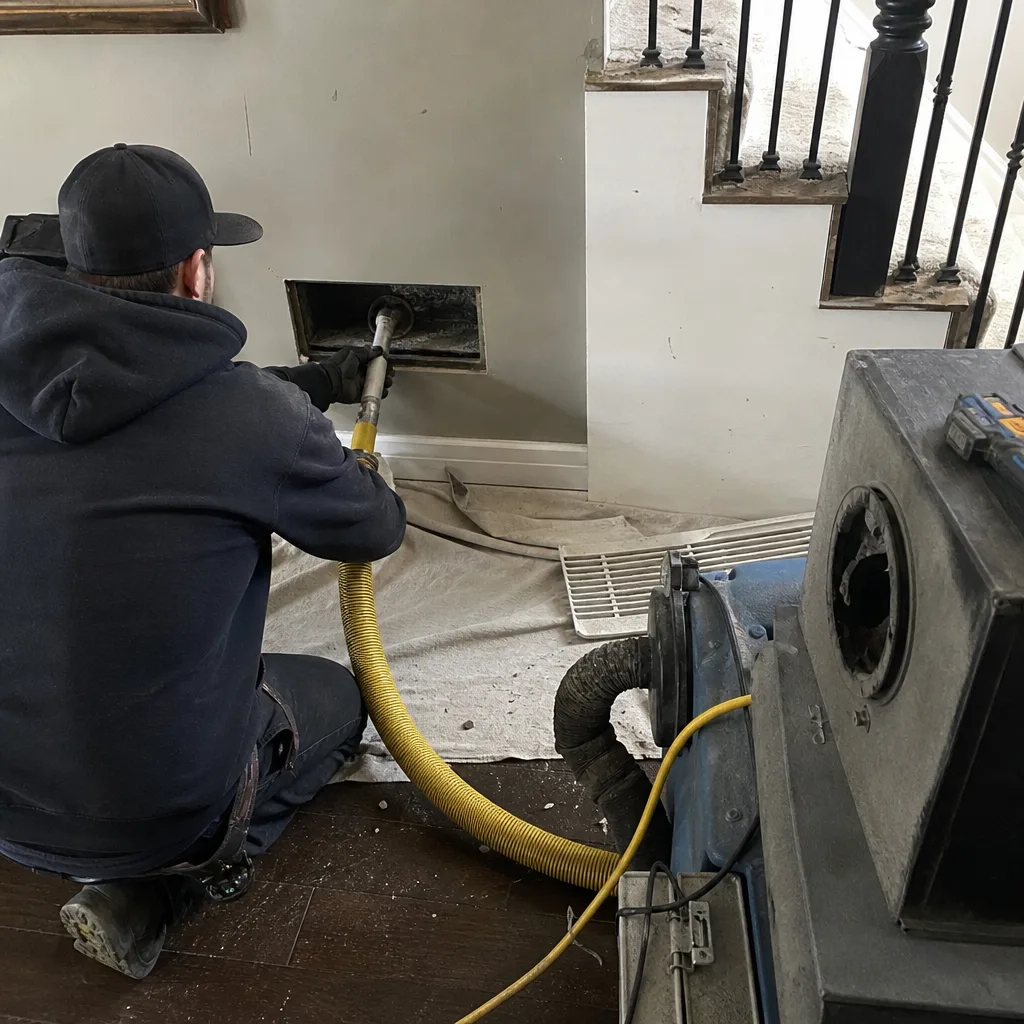 Before
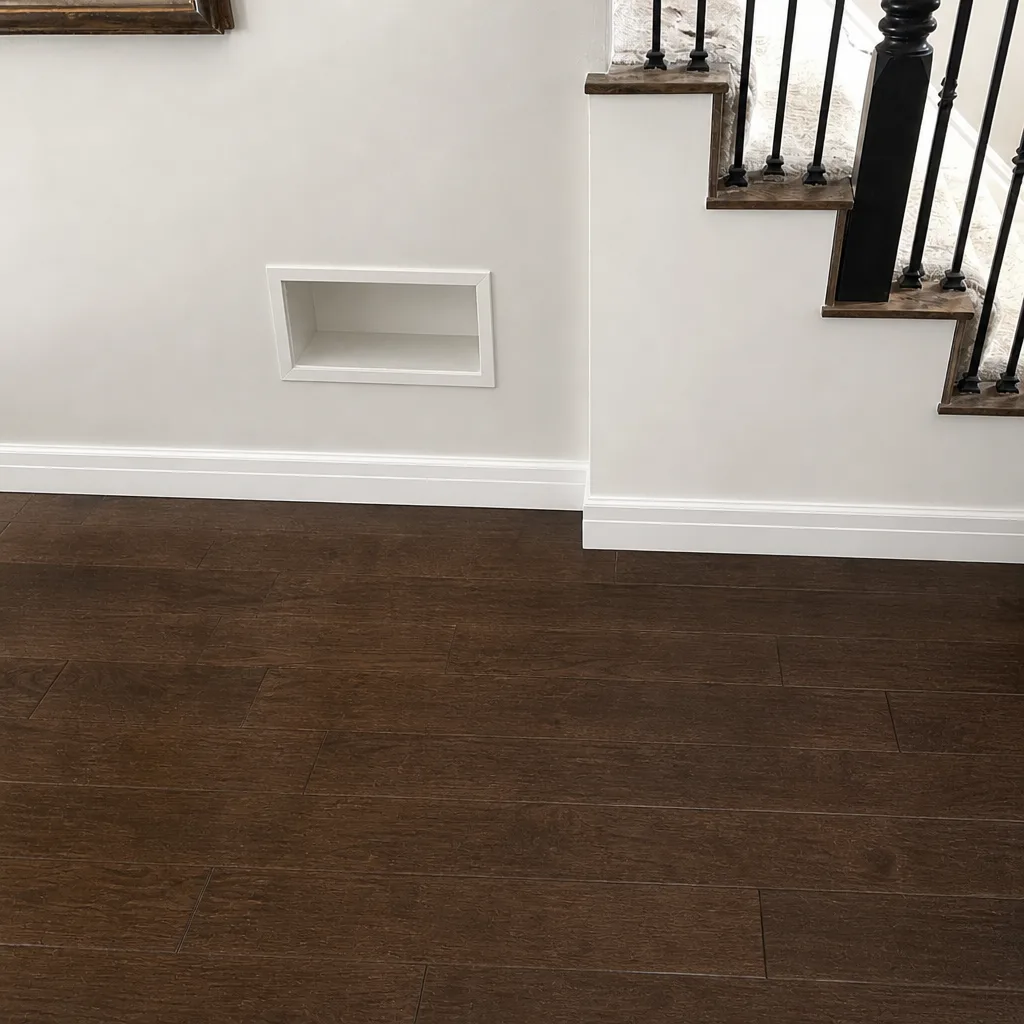 After
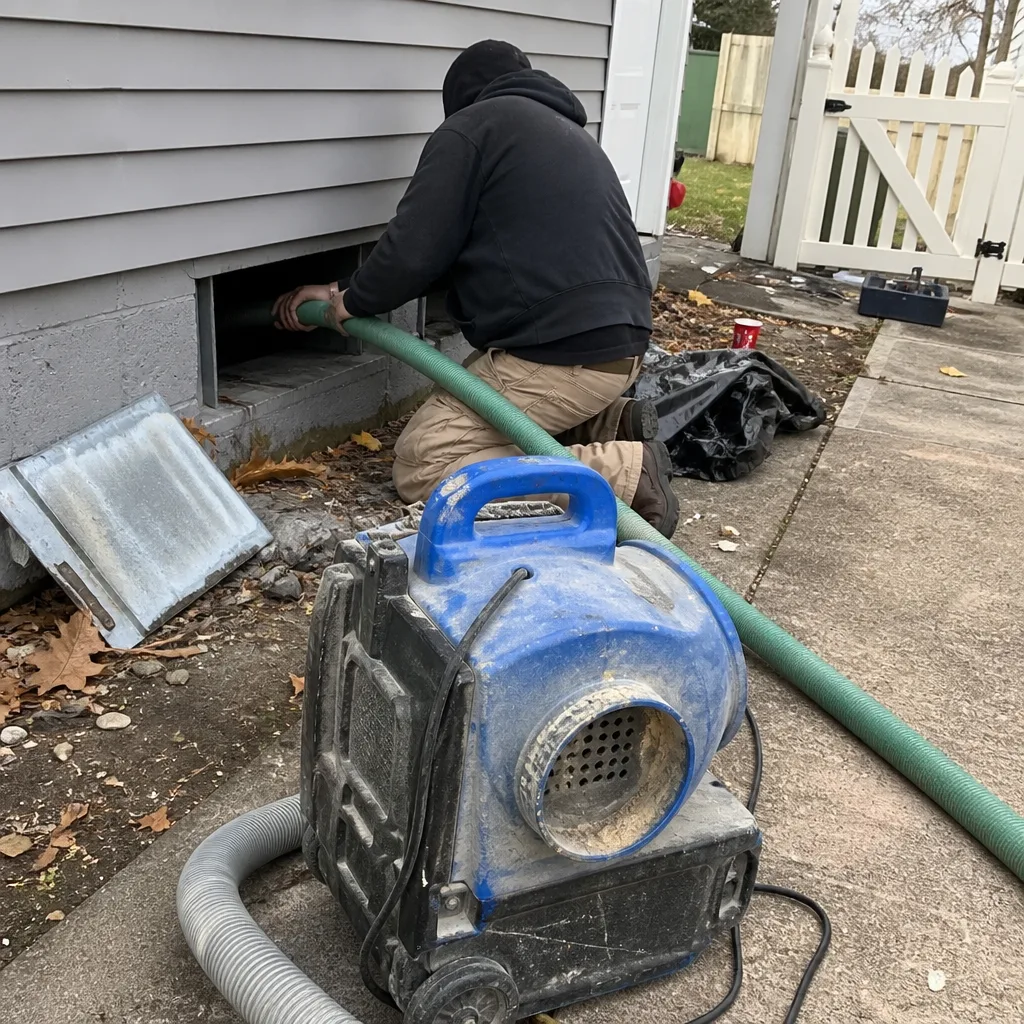 Before
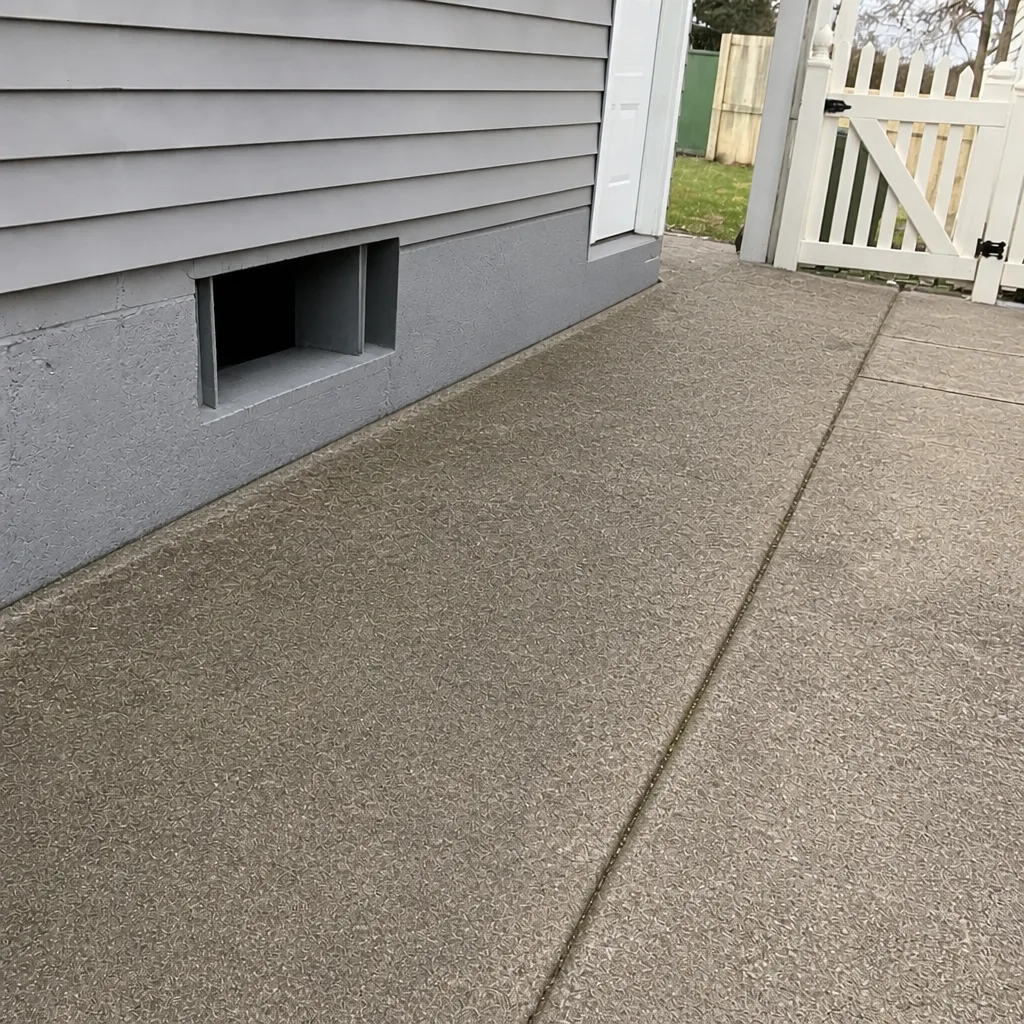 After
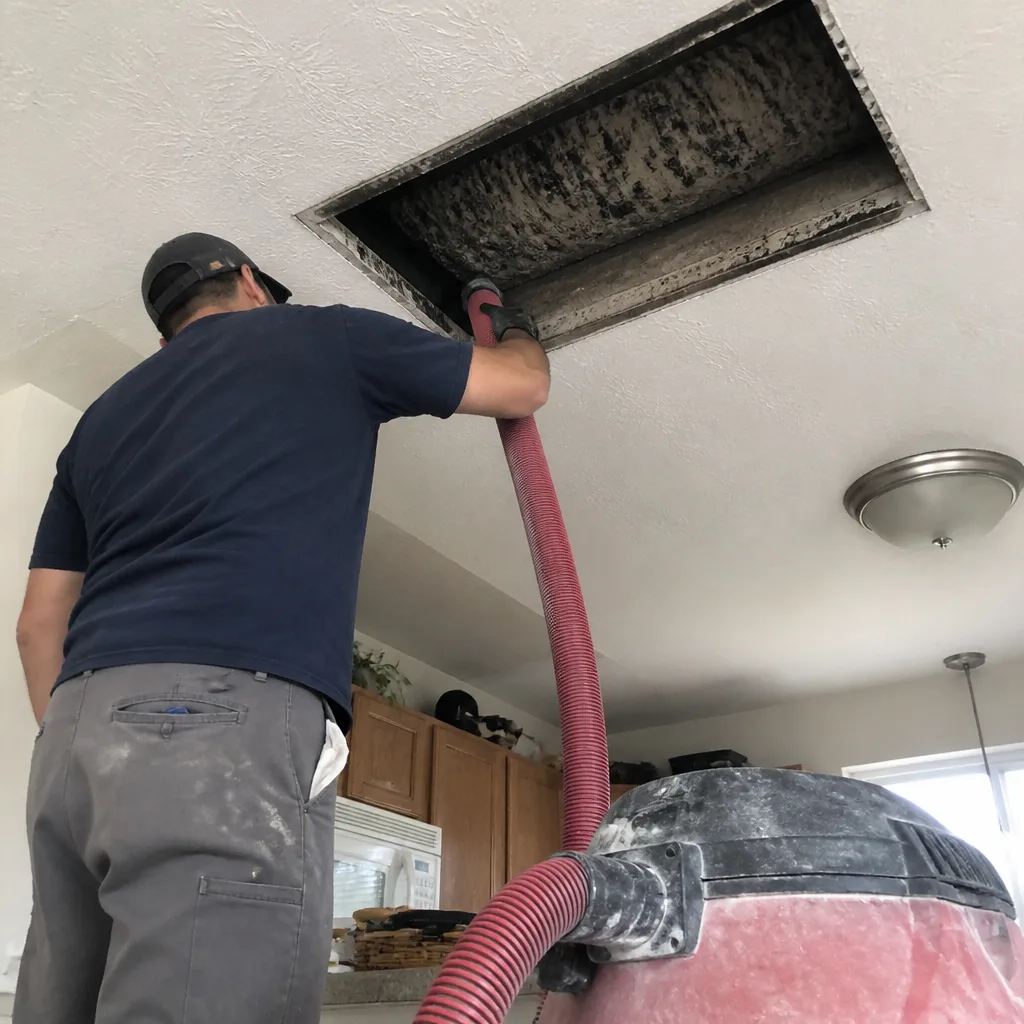 Before
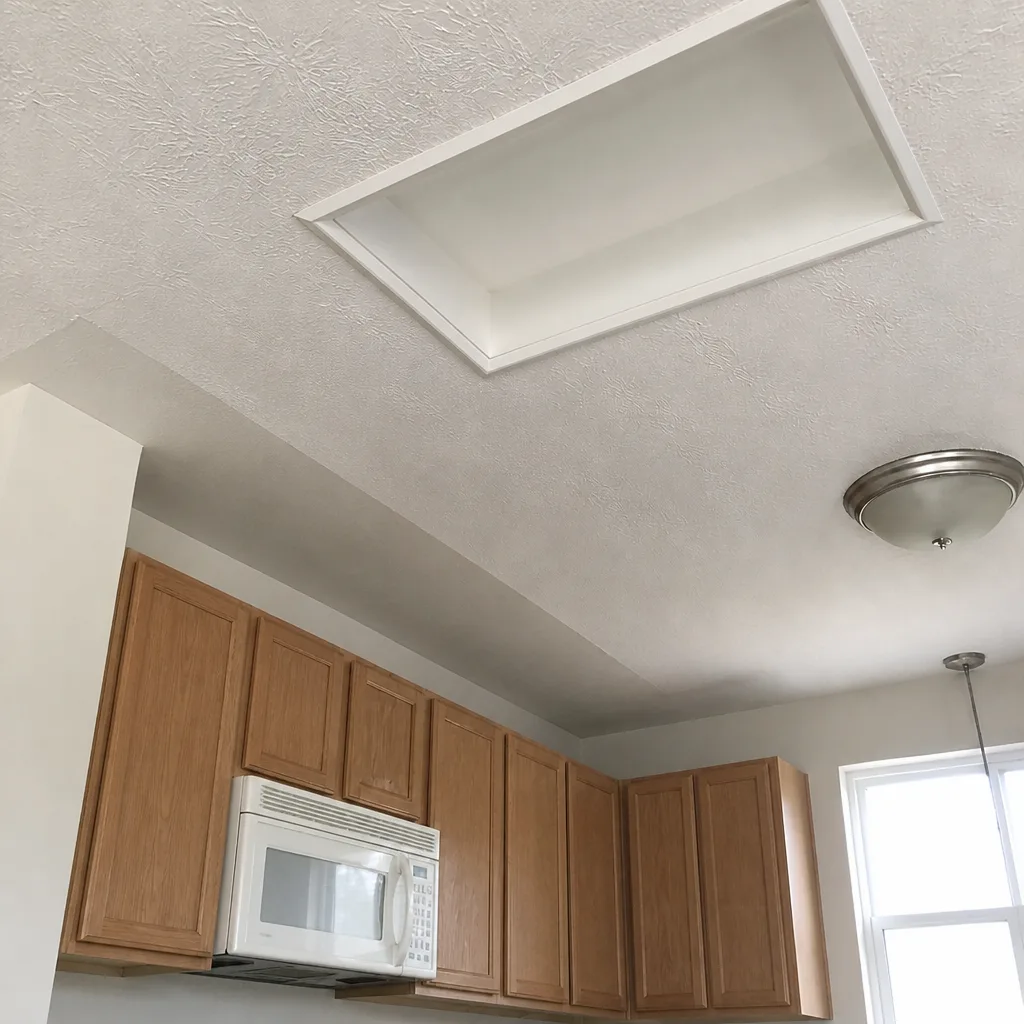 After
When to Call a Professional
Some duct issues are obvious: a register that blows nothing, a musty smell in the return, a visible collapse in the flex run in the attic. Others are quieter, like an energy bill that creeps up year over year or a room that never catches up to the thermostat. Either pattern is worth a professional assessment, because the repair scope determines the permit question and the permit question determines how the work affects your house at resale.
The signs that warrant a call: uneven heating or cooling that doesn’t respond to thermostat adjustments, visible dust streaks at supply registers, musty odors that return after every cleaning, a dryer that takes more than one cycle to dry a load, and any duct work you didn’t personally commission or inspect. If a contractor told you a repair didn’t need a permit and you’re not sure, that’s also a call.
Ogden Air Duct Cleaning Co offers free estimates in Ogden. We’ll assess the system, separate the cleaning scope from the repair scope, and tell you in writing where the permit applies. Call (855) 658-5291. We answer 24/7. Fast dispatch from 7am to 7pm, Sunday through Friday.
Frequently Asked Questions
No. Air duct cleaning is classified as maintenance in Ogden, UT, and no mechanical permit is issued for routine cleaning, sanitizing, or filter replacement. A permit becomes relevant only when the work crosses into repair, replacement, or rerouting of duct components. If you’re only getting the ducts cleaned, the permit question doesn’t apply.
Yes, in most cases. Duct repair that involves replacing duct material, rerouting a run, adding a new trunk line, or installing new boots falls under Utah Residential Code Section M1601 and requires a mechanical permit through Weber County or Ogden City, depending on the property’s jurisdiction. Minor reconnections and maintenance sealing are usually exempt. When in doubt, ask the jurisdiction. Call (855) 658-5291 for an exact scope review; estimates are free.
Check the permit history with the authority having jurisdiction, not with the contractor. Ogden City Building Services and Weber County’s building department both keep permit records by address. Call them, give the address, and ask them to confirm the permit exists and matches the scope of work. A contractor’s word isn’t proof; the city’s record is.
It can. Insurance policies ask whether improvements and repairs were made with proper permits, and unpermitted mechanical work can complicate a claim that traces back to the work. The most common complication isn’t a denied claim, it’s a delayed or disputed one. Pulling the permit at the time of the work is far cheaper than negotiating a claim later.
An Ogden duct repair inspector checks code compliance, not system performance. The inspector verifies material compatibility, support spacing, sealing at connections, clearance from combustibles, and access panels. The inspection is a compliance check, and it’s the contractor’s job to run a separate leakage or airflow test if one is called for.
Duct repair frequency in Ogden depends on the system’s age and construction type, not on a fixed schedule. Older homes with original galvanized and early flex ductwork tend to need repairs more often because of thermal cycling wear at connections. Newer homes in West Haven and the western bench tend to need repairs for compressed flex runs, not wear. The right answer is an assessment, not a calendar; if a contractor gives you a fixed interval for duct repair without looking at your system, get a second opinion. Call (855) 658-5291 for a proper assessment. Estimates are free.
The Bottom Line
Duct cleaning doesn’t require a permit in Ogden. Duct repair usually does. The dividing line sits at Utah Residential Code Section M1601, and where it falls depends on whether the work replaces material or alters the system’s design, not on how big the job looks. Ogden City and Weber County each issue their own permits, so the property’s jurisdiction decides which office to file with. If a contractor can’t explain that distinction or won’t put “no permit required” in writing on a repair job, that’s the moment to ask questions. When the scope calls for a permit, pull it, schedule the inspection before the work is covered, and keep the documentation. The permit cost is small. The consequences of skipping it aren’t.
Written by the team at Ogden Air Duct Cleaning Co.
Need a duct assessment that separates cleaning from repair before you commit? Ogden Air Duct Cleaning Co offers free estimates in Ogden. Call (855) 658-5291. We answer 24/7. Fast dispatch from 7am to 7pm, Sunday through Friday.