
Last updated November 25, 2026
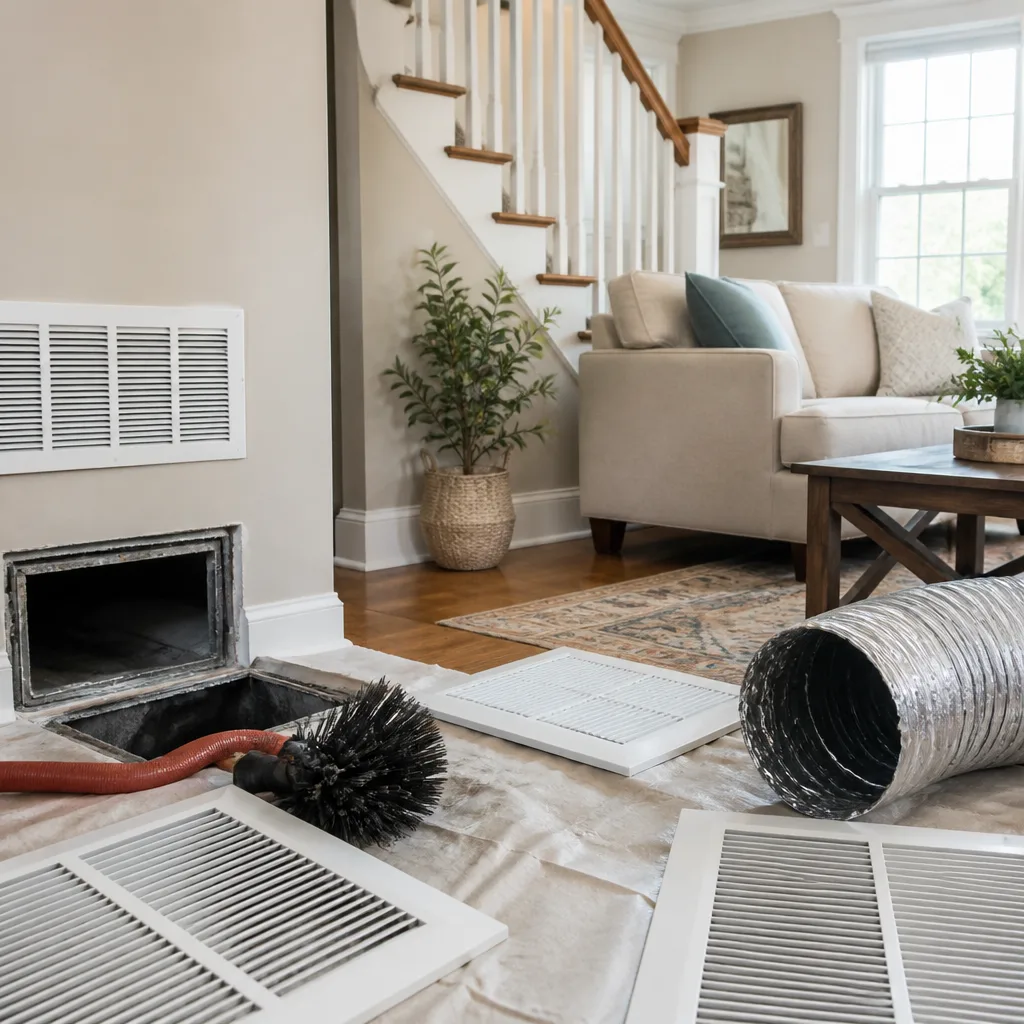 Whole-home duct cleaning
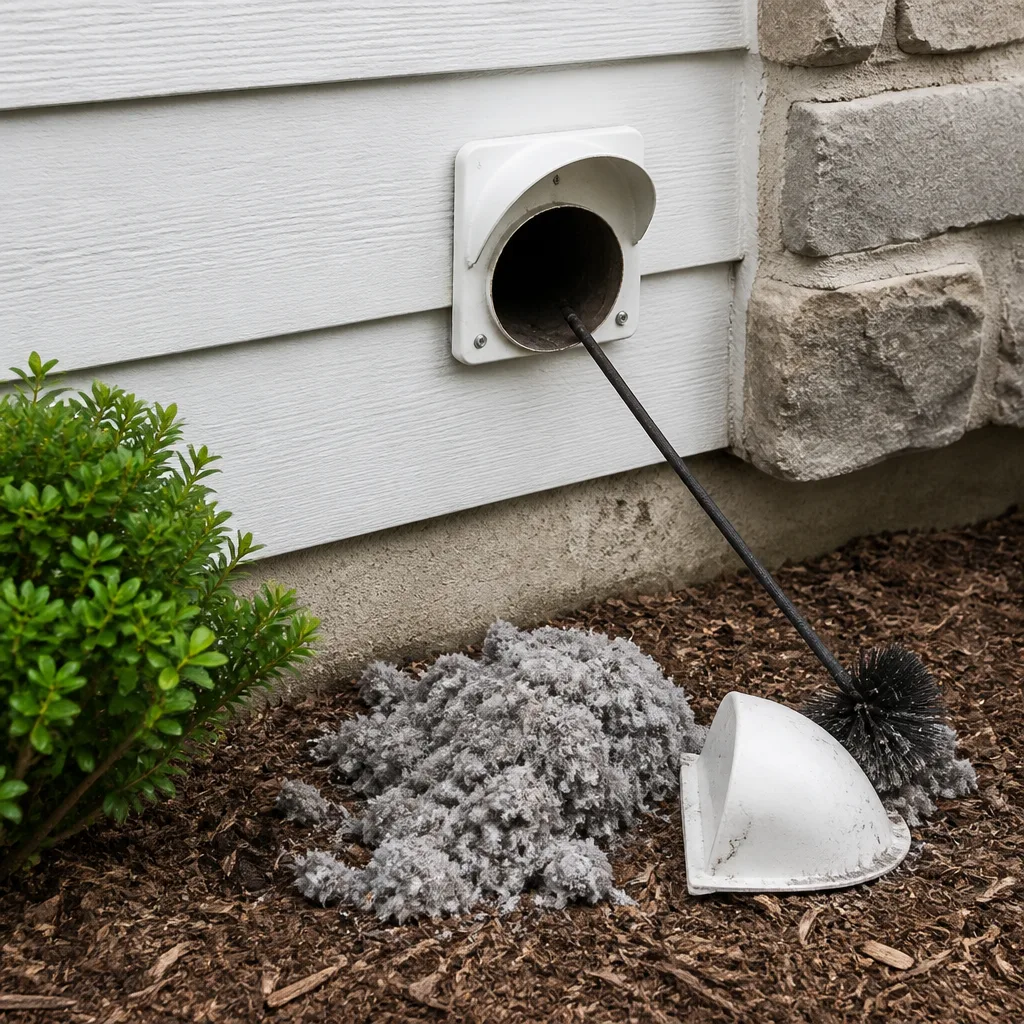 Dryer vent cleaning
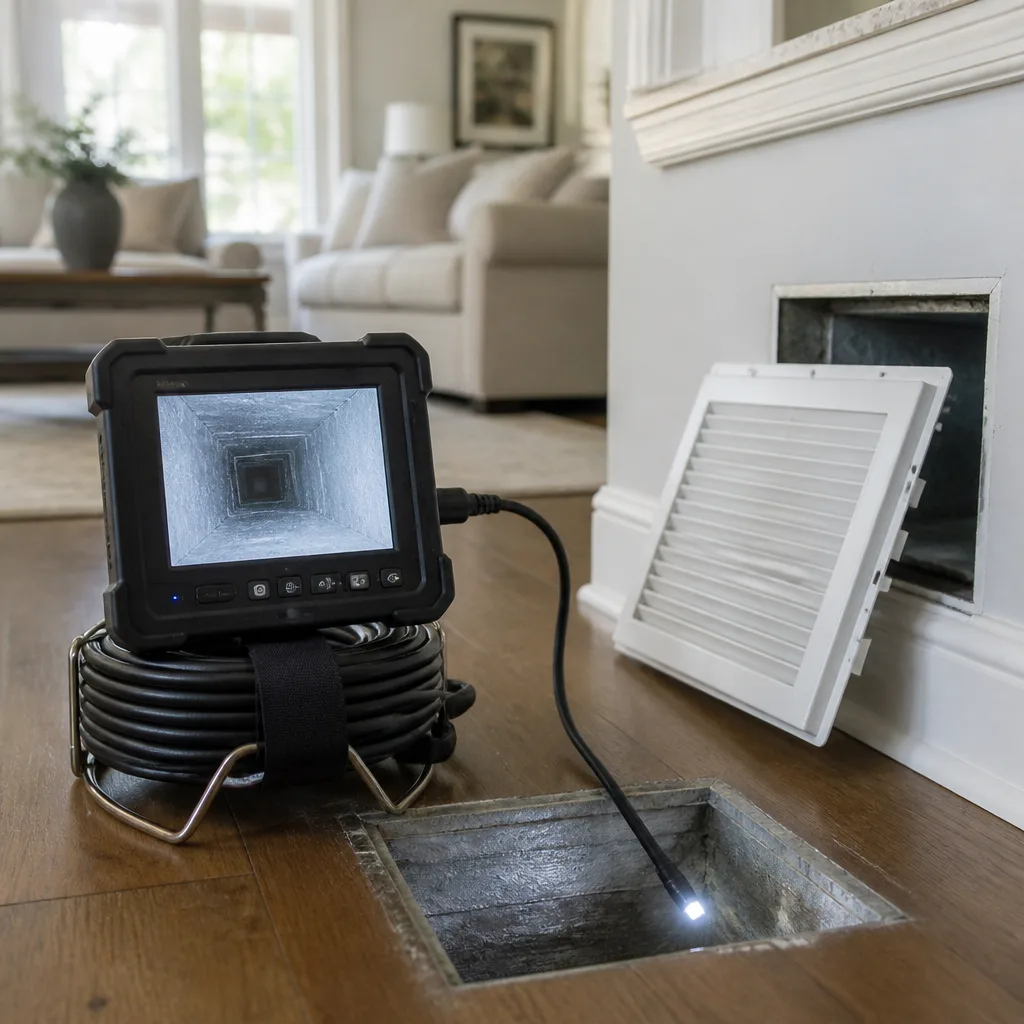 Camera inspection
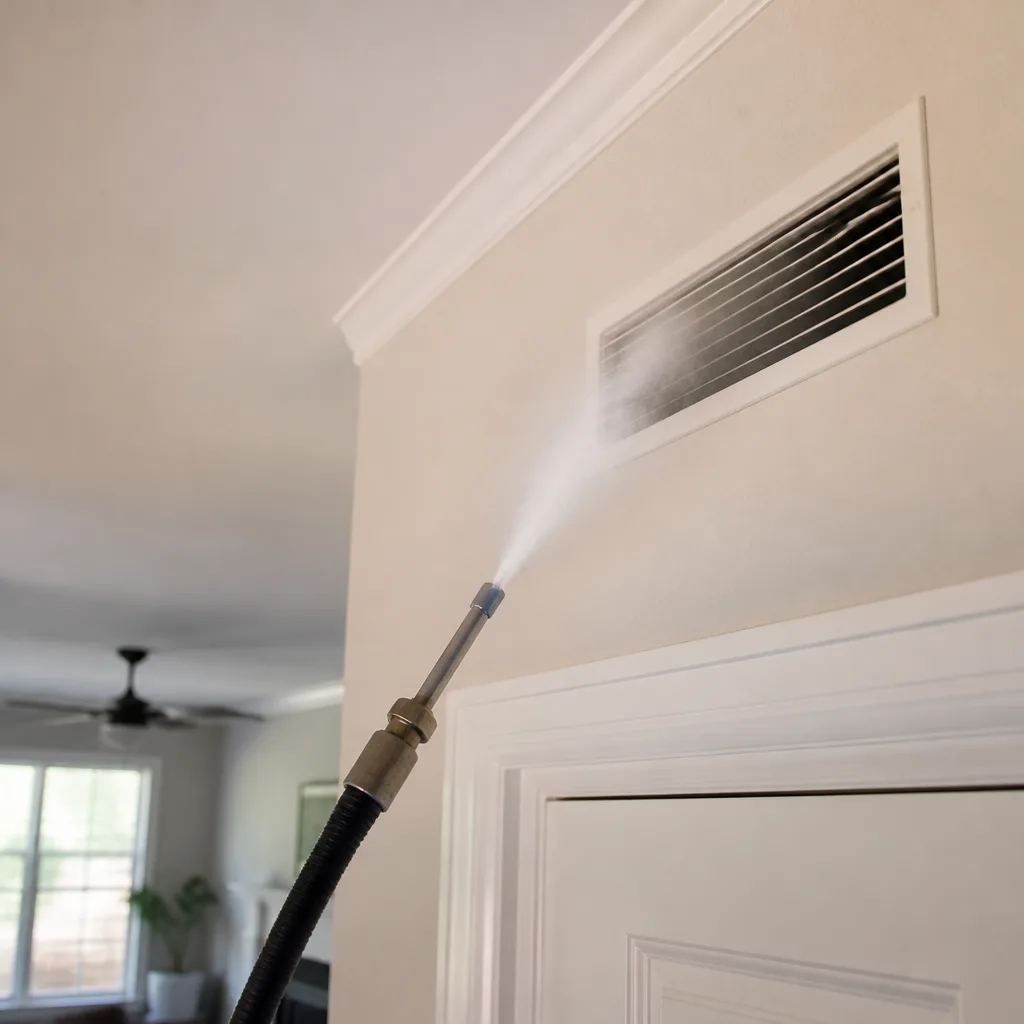 Sanitizing & deodorizing
Whole-system duct and dryer vent check with before-and-after photos - you see exactly what came out of your vents
That "$99 whole-house special" is a bait ad - the real number appears once they are in your hallway, or the "clean" is a shop-vac at the register. We photograph the inside of your ducts before and after instead.
Air Duct Cleaning Warning Signs: An Ogden Homeowner’s Reference Guide
Dust that settles back onto your furniture two days after you wipe it down usually isn’t a housekeeping problem. It’s often a pressure imbalance on the return side of your duct system, pulling debris past the filter and pushing it back into your living space. A dirty house and a leaky duct system look similar on the surface and have completely different fixes. This guide maps each warning sign to its likely mechanical cause, so you can describe what you’re seeing in plain terms and understand what a technician is proposing before anyone touches your system. We’ll cover Ogden homes specifically, including what our dry high-desert climate does to ductwork.
Quick Answer
The main warning signs of a duct problem are dust returning to surfaces within a few days of cleaning, rooms that never match the thermostat setting, musty or burning odors when the system runs, allergy symptoms that track with HVAC cycles, and new rattling or whistling sounds. Each one points to a different mechanical cause. None of them require guesswork, but none can be diagnosed from the outside looking at a vent grille either.
Styles & brands we work with
- Whole-home duct cleaning
- Dryer vent cleaning
- Camera inspection
- Sanitizing & deodorizing
Table of Contents
- Why Dust at the Registers Tells Two Different Stories
- Uneven Room Temperatures Mapped to Specific Duct Failures
- What Different Odors Reveal About Your Duct System
- Allergy Symptoms and the HVAC Run Cycle
- Noise Signatures: Rattling, Whistling, Thumping
- The Dryer Vent Sign Most Homeowners Skip
- Return-Side Pressure and Why It Matters
- How a Proper Diagnostic Visit Works
Why Dust at the Registers Tells Two Different Stories
When you see dust collecting at a supply register, the instinct is to assume the ducts are dirty. Sometimes that’s true. Other times the dust is arriving from somewhere else entirely, and cleaning the ducts won’t stop it.
Supply-side contamination means the inside of the duct has accumulated debris over time and the airflow is carrying it out into the room. This shows up as a consistent streak or film on the ceiling and nearby surfaces around the register, often more pronounced at registers at the end of a long run where velocity drops and debris settles. Cleaning the system addresses it. Changing your filter won’t.
Return-side pressure failure is different. Return ducts are supposed to pull air back to the air handler under slight negative pressure. When a return duct is undersized, kinked, disconnected, or the filter is too restrictive, the system pulls air from wherever it can find it, including gaps at joints, through the attic, and past unsealed seams. That air carries dust, insulation fibers, and whatever else is in the cavity, and it gets distributed through the supply side into your rooms. You clean your house, dust returns within 48 hours, and the cycle repeats.
In our experience working on Ogden homes, older construction with sheet metal ducts and minimal sealing is the most common place to find return-side leaks. The dry climate here works against you too, because wood framing and duct sealant shrink and separate over the decades in low humidity, opening pathways that didn’t exist when the house was built.
How to tell them apart:
- Streaking at just a few registers usually points to supply-side buildup in those specific runs.
- Dust returning everywhere within a few days of cleaning points to a return-side or filter problem.
- Visible gaps, disconnected sections, or torn flex in the attic or crawlspace confirm a leak.
- A filter that appears bypassed (dust on the downstream side of it) points to a filter housing or fitment problem.
This distinction matters because it changes the work order entirely. If it’s contamination, cleaning is the fix. If it’s pressure, Ogden Air Duct Cleaning Co treats it as a repair and sealing problem first, and air duct cleaning after, because cleaning a leaky system just resets the clock.
Uneven Room Temperatures Mapped to Specific Duct Failures
A room that won’t hold temperature is diagnostic information. The pattern of which rooms are off, and when, tells you which category of failure you’re dealing with.
Collapsed Flex Duct
Flex duct is thin and can sag or crush where it runs through tight attic spaces or gets stepped on during other work. A collapsed section chokes airflow to everything downstream of it. The room at the end of that run runs hot in summer and cold in winter, and the register may feel weak to the hand compared to registers closer to the air handler. Ogden’s attic temperatures swing hard between seasons, and flex duct that sags when cold can stay collapsed once it’s kinked.
Closed or Broken Damper
Manual dampers in branch ducts balance airflow. A damper left half-closed after an HVAC install or a previous owner’s experiment will starve a room. A damper that’s broken or has slipped on its shaft can do the same thing without anyone touching it. In multi-zone systems with automatic dampers, a failed actuator shows up as one zone that’s always under-conditioned. These are easy to check in an accessible attic or mechanical closet and easy to miss if nobody looks.
Disconnected Branch
A duct joint that’s pulled apart, usually at a takeoff collar or where flex meets rigid pipe, dumps conditioned air into the attic or crawlspace. The room goes flat because the air never arrives. This is the most wasteful failure on the list because you’re paying to heat or cool the attic. Duct repair and sealing is the direct fix, and it’s the one step most cleaning-only companies leave out.
Oversized or Undersized Runs
Design errors from the original install don’t get better with age. A long undersized run to a far bedroom will always struggle when the system is at the edge of its capacity. Not every uneven-temperature complaint is a duct failure; sometimes the duct is doing exactly what it was designed to do, and the right answer is rebalancing or a targeted upgrade.
If you live in one of the older neighborhoods up toward the bench and your back bedrooms never match the front of the house, have someone measure airflow at the registers before assuming the furnace is the problem. A furnace that’s working fine can still leave rooms uncomfortable when the distribution is wrong.
What Different Odors Reveal About Your Duct System
Odors are the most reliable early warning sign because they show up before visible dust or temperature problems get bad enough to notice. What matters is when you smell them and what they resemble.
Musty, Damp, or Earthy Odor
A musty smell that appears within a minute or two of the blower starting usually means moisture is present somewhere in the system. Common sources are a wet evaporator coil, standing condensate in a drain pan, a disconnected condensate line, or a return duct in a crawlspace picking up ground moisture. Ogden is dry most of the year, but a cooling system that runs hard in July and August makes a lot of condensate, and a pan or drain problem turns a small leak into a duct-wide moisture issue over a season. Musty odors deserve a look before they become a remediation job.
Burning or Hot Electrical Smell
A burning smell when the heat comes on is a stop-and-call situation. Debris sitting on or near a heat exchanger, a failing blower motor, or a wiring issue can all produce it. Turn the system off and have it inspected. We treat combustion-adjacent smells as a safety matter, not a cleaning upsell, and so should anyone you hire.
Chemical or “New Plastic” Smell
A sharp, almost synthetic odor is often off-gassing from newer ductboard or from sealants and adhesives that haven’t fully cured. It tends to fade with ventilation and time. If it doesn’t fade, or if it intensifies when the system runs, it’s worth having the duct internals looked at, especially in new construction where ductboard was installed in a humid season.
Sour or “Dirty Sock” Smell
This one almost always points to biological growth on a damp coil, in a drain pan, or on duct surfaces where condensation has been sitting. Cleaning removes what’s there; fixing the moisture source is what stops it from coming back. Sanitizing after cleaning is a reasonable step when growth is confirmed, and it’s part of why we carry Aprilaire and Honeywell air-quality products: remediation without prevention just resets the clock.
Allergy Symptoms and the HVAC Run Cycle
The most useful thing you can do for a technician is pay attention to timing. If symptoms track with the system running, the ducts are a likely contributor. If they track with outdoor conditions, the ducts may be innocent.
Ogden sits in a bowl that traps inversions in winter and holds dry, dusty air in late summer. Pollen, dust, and inversion-season particulate loads in the outside air are real, and they affect everyone regardless of duct condition. A person whose symptoms are worst on high-pollen spring days or during a winter inversion may have an outdoor air quality problem, not a duct problem.
What points to the duct system is a pattern where symptoms start or worsen within thirty to sixty minutes of the furnace or air conditioner kicking on and ease when it cycles off. Other signals worth noting:
- Symptoms that are worse in specific rooms rather than the whole house.
- Morning congestion that lifts after you leave the house.
- Increased symptoms on the first cold snap of the season, when a system that sat idle all summer first fires up and pushes whatever settled inside into the air.
- Eye or throat irritation that shows up only inside.
The return-side pressure problem covered earlier is the sneaky one here, because a duct leak that pulls attic air into the system can bring insulation fibers and dust into the breathing zone without ever showing visible contamination at a register. A short indoor air test as part of a diagnostic visit costs far less than a guess, and it tells you whether the ducts are the actual problem or whether you’re chasing something the ducts can’t fix.
Noise Signatures: Rattling, Whistling, Thumping
Duct systems make noise, and the kind of noise tells you something specific. New or worsening sound is the signal.
Rattling
Rattling usually means a loose duct section, a poorly secured register boot, or sheet metal panels that have come loose from their fasteners. In older Ogden homes with rigid metal trunk lines, vibration loosens screws over time and a run that was quiet for years starts buzzing when the blower runs. It’s usually harmless, but it’s an early sign the assembly is loosening and a good moment to have joints checked and sealed.
Whistling
Whistling means high-velocity air is squeezing through a restricted opening. That’s typically a filter that’s too restrictive, a partially closed damper, an undersized return, or a crushed section of flex. A whistling return grille is a common complaint in homes that added a higher-MERV filter without checking whether the return could handle the pressure drop. That’s a pressure problem, and it has the same dust-return consequences as a leak.
Thumping or Banging
Regular thumping can be duct surge, where a run flexes each time the blower cycles. Loud banging or a single hard clunk at startup, though, is worth stopping the system for. It can indicate a disconnected duct slapping against framing, or in a gas furnace, a blower or heat exchanger issue. Get it looked at before running it again.
Any noise that appears suddenly, gets worse over a couple of days, or comes with a pressure sensation in the house (doors that won’t latch easily, a whistling return) is a sign to call for an inspection rather than wait.
The Dryer Vent Sign Most Homeowners Skip
Dryer vent blockages are a leading cause of house fires, and we treat that service with the same seriousness as full HVAC cleaning. The signs are easy to miss because they build gradually.
- Clothes take two cycles to dry. A partially blocked vent drops airflow, and the dryer runs longer than it should.
- The dryer itself is hot to the touch. Heat that can’t escape through the vent stays in the machine.
- The laundry room feels humid. Lint and moisture that should be outside are venting into the room.
- Lint is visible around the outside vent flap. That’s the sign the flow is slow enough that lint is settling instead of blowing clear.
- The outdoor flap doesn’t open when the dryer runs. Check it from outside while the dryer is on; if it barely lifts, the vent is restricted.
Dryer vents are a separate system from the HVAC ducts, but they’re part of the same indoor-air picture, and we handle them as a full service so you’re not coordinating a second company for a job that belongs with the rest of the air quality work. If your dryer vent has never been cleaned in the time you’ve lived in the house, have it looked at, and check the exterior termination while you’re outside. Lint accumulates faster than most people assume, and in dry climates static and low humidity are not your friends.
Return-Side Pressure and Why It Matters
Return-side pressure failure is the cause behind most of the warning signs in this guide, so it’s worth understanding on its own.
Your air handler pulls air back through the return ducts at a designed rate. Two things can go wrong:
- The return is restricted. Filter too dense, grille too small, duct run undersized, or a kink or collapse in the return path. The blower still tries to move the same air, so it pulls from the path of least resistance, which is gaps and leaks in the return.
- The return is leaky. Every joint in the return that isn’t sealed invites attic or crawlspace air into the system. That air isn’t filtered, because it bypasses the filter at the air handler.
Either way, the result is the same: unfiltered air from outside the living space gets into the supply side and lands on your surfaces. Cleaning the supply side won’t fix it, because the supply side isn’t the problem. Sealing and balancing the return side is, and that’s a diagnostic job, not a cleaning job.
We use Nikro negative-pressure equipment for HVAC cleaning specifically because it keeps the system under controlled pressure while contact cleaning happens. Contact cleaning with Rotobrush physically removes buildup rather than blowing it loose. If the return side is pulling air from a leak, though, none of the cleaning holds. In our experience, the homes in Ogden with recurring dust complaints almost always have a return-side issue that was never diagnosed, and the fix is a repair-and-sealing scope before cleaning, not after.
How a Proper Diagnostic Visit Works
A diagnostic visit should answer three questions: what’s actually in the ducts, where the pressure is going, and what the fix is. If a technician can’t tell you the answers in plain language, the quote is a guess.
- Walk-through and symptom interview. Which rooms, when, what the smell resembles, what changed recently. This is where the diagnostic data from this guide becomes useful.
- Register airflow check. Measure at a sample of registers to see where the system is weak. A register that reads significantly low points to a restriction upstream.
- Access inspection. Open the air handler closet, look at the return plenum, and inspect accessible attic and crawlspace duct runs. Look for gaps, disconnected joints, crushed flex, and filter bypass.
- Filter and pressure check. Confirm the filter is correct for the system and that the housing isn’t allowing air to bypass it.
- Interior inspection where needed. A camera view inside a representative run shows whether contamination is real and how heavy it is.
- Scope and written plan. Cleaning, repair and sealing, sanitizing, and any air-quality upgrade should be laid out as separate line items, so you can see what’s diagnosis and what’s treatment.
We bring Abatement Technologies containment and air-filtration equipment to residential jobs because a professional cleaning should not redistribute dust through the house while it’s happening. That’s the same class of equipment used in professional remediation work, and it’s what separates a controlled clean from a truck-mounted blast. We also carry Aprilaire and Honeywell air-quality products, so when a problem is a filter or pressure issue that no amount of cleaning will solve, there’s a next step to recommend rather than just a bill for cleaning.
If you also need the air-handler side addressed, HVAC cleaning is the scope that covers the coil, blower, and plenums, and it’s usually paired with duct cleaning when both are contaminated. If your dryer has been slow, dryer vent cleaning is the separate service for that system.
Common Mistakes to Avoid
- Assuming dust means the ducts are dirty. Dust returning within days of cleaning usually means a return-side pressure or filter problem, and cleaning the supply side won’t fix it. Get the pressure diagnosed first, or you’ll pay twice.
- Buying the cheapest quote. A low number is easy to advertise, and the bait-and-switch pattern starts with a teaser price that grows once the technician is on site. Ask what’s included and what isn’t.
- Swapping to a higher-MERV filter without checking the return. A denser filter that the return can’t handle creates negative pressure and pulls attic air into the system. That’s a real cause of recurring dust in Ogden homes, not a filter sales problem.
- Skipping the dryer vent because the ducts got cleaned. They’re separate systems. A dryer vent that’s never been serviced is a fire risk no matter how clean the HVAC ducts are.
- Treating a burning smell like a cleaning issue. Turn the system off and get it inspected. Odor that appears with heat needs a safety check before anything else.
- Cleaning without sealing. Sealing the ducts is what prevents re-contamination, and most cleaning-only companies skip it because it’s a repair job, not a cleaning job.
- Not asking for before-and-after photos. If the work is real, the evidence is easy to provide. Ask for it up front.
See the difference
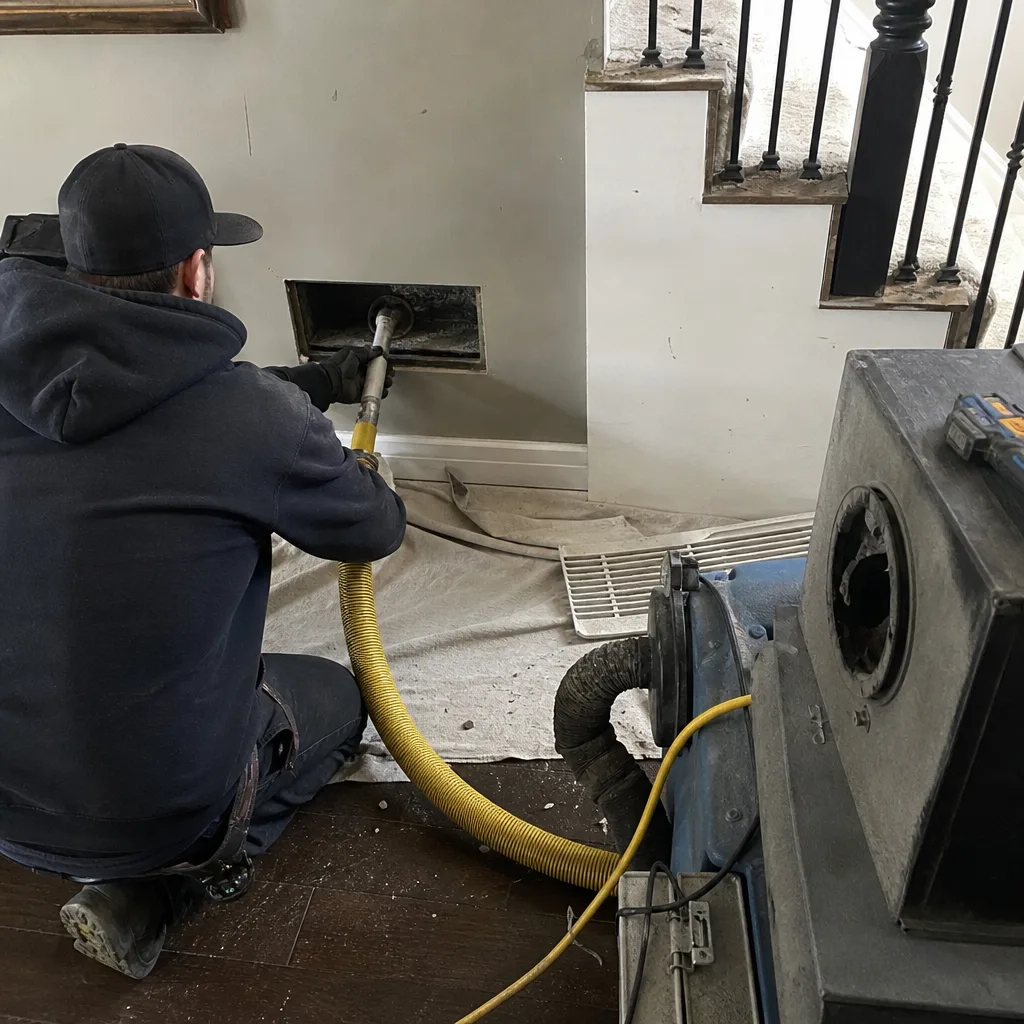 Before
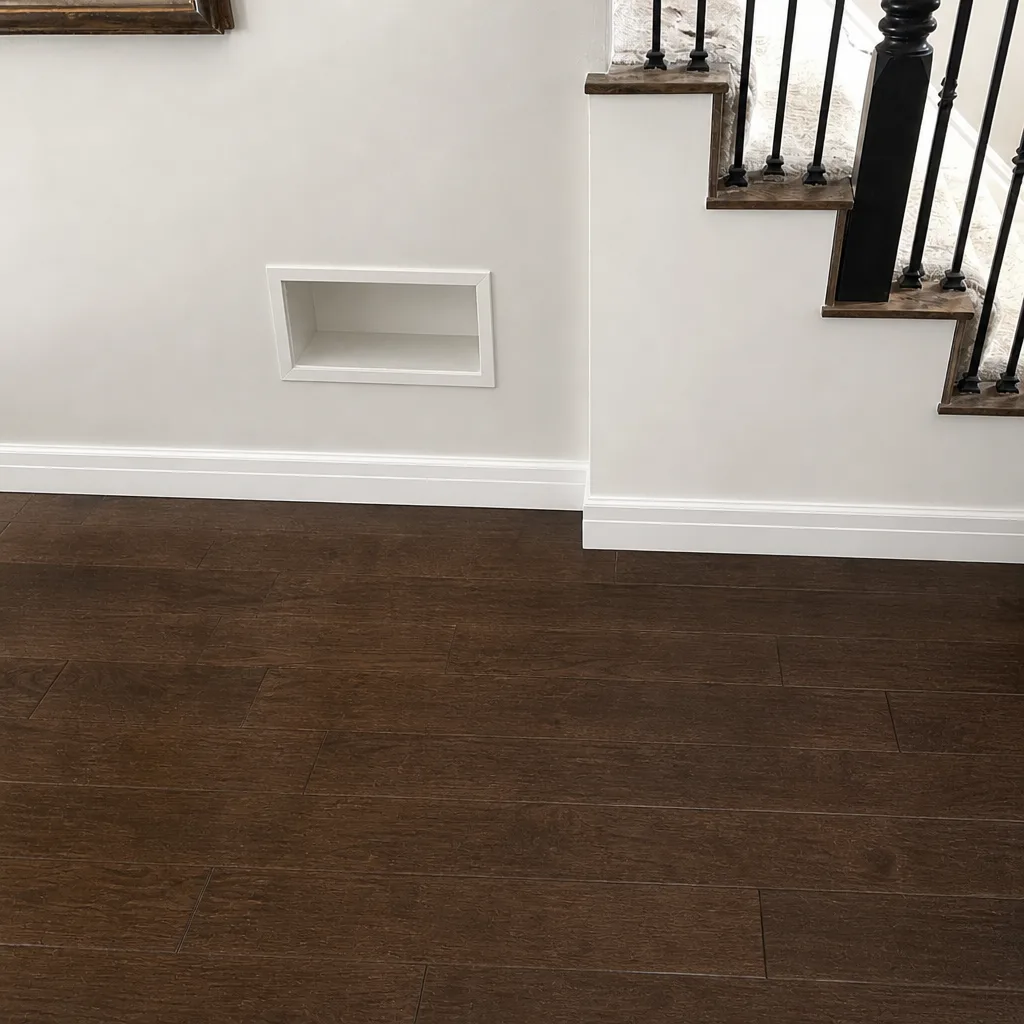 After
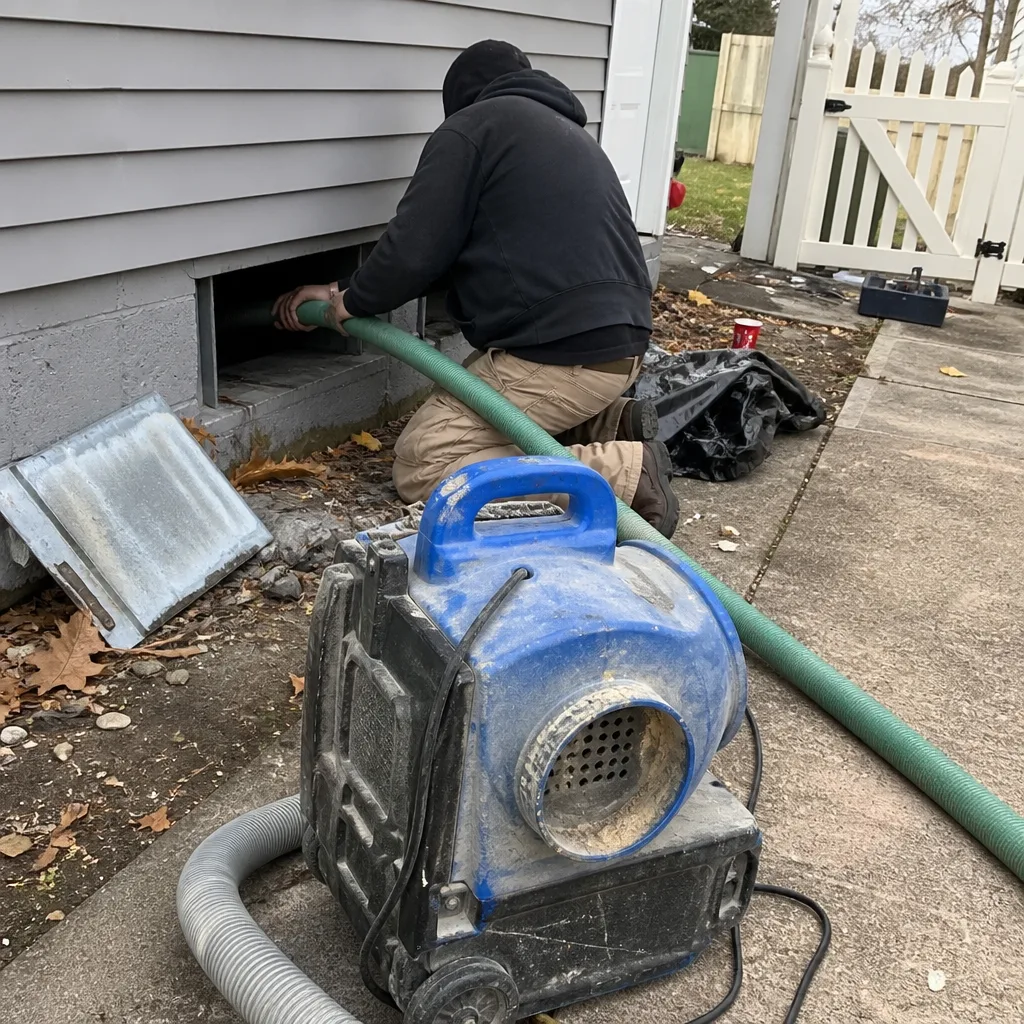 Before
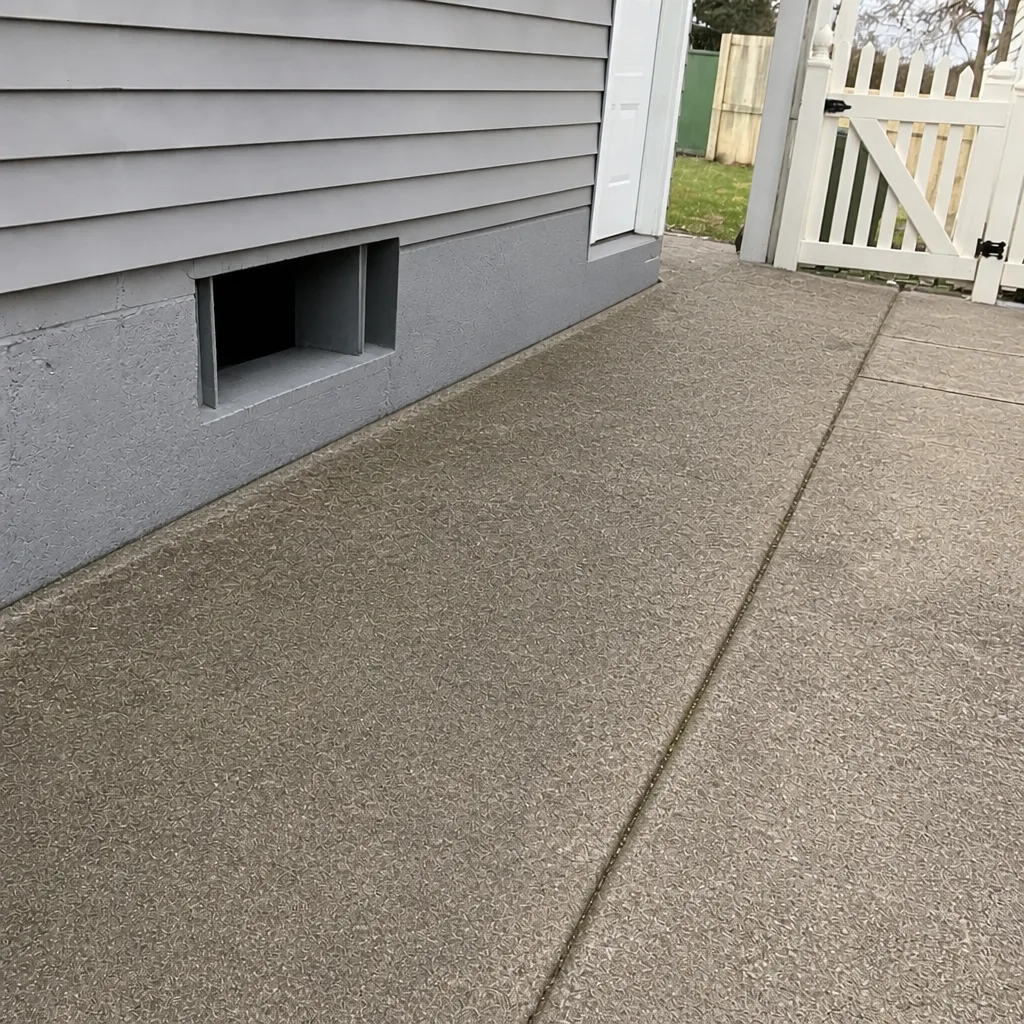 After
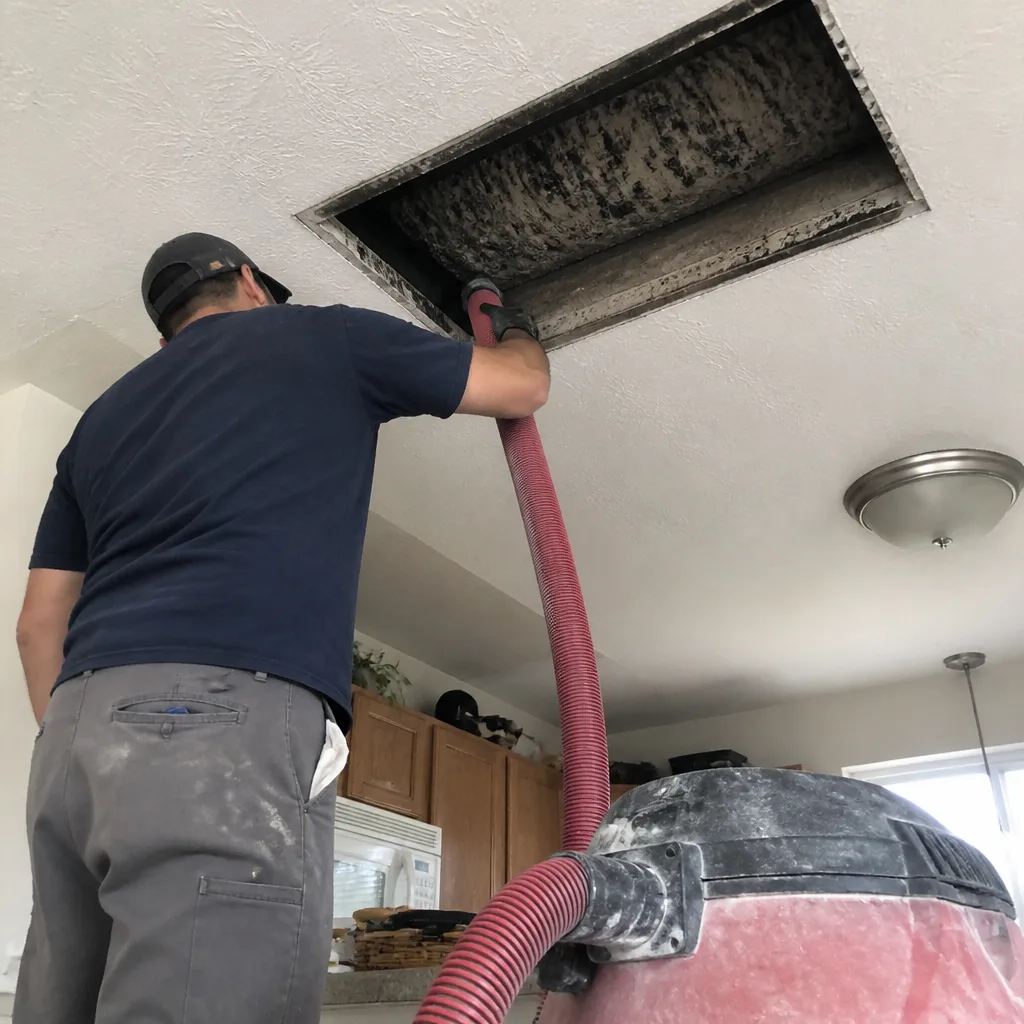 Before
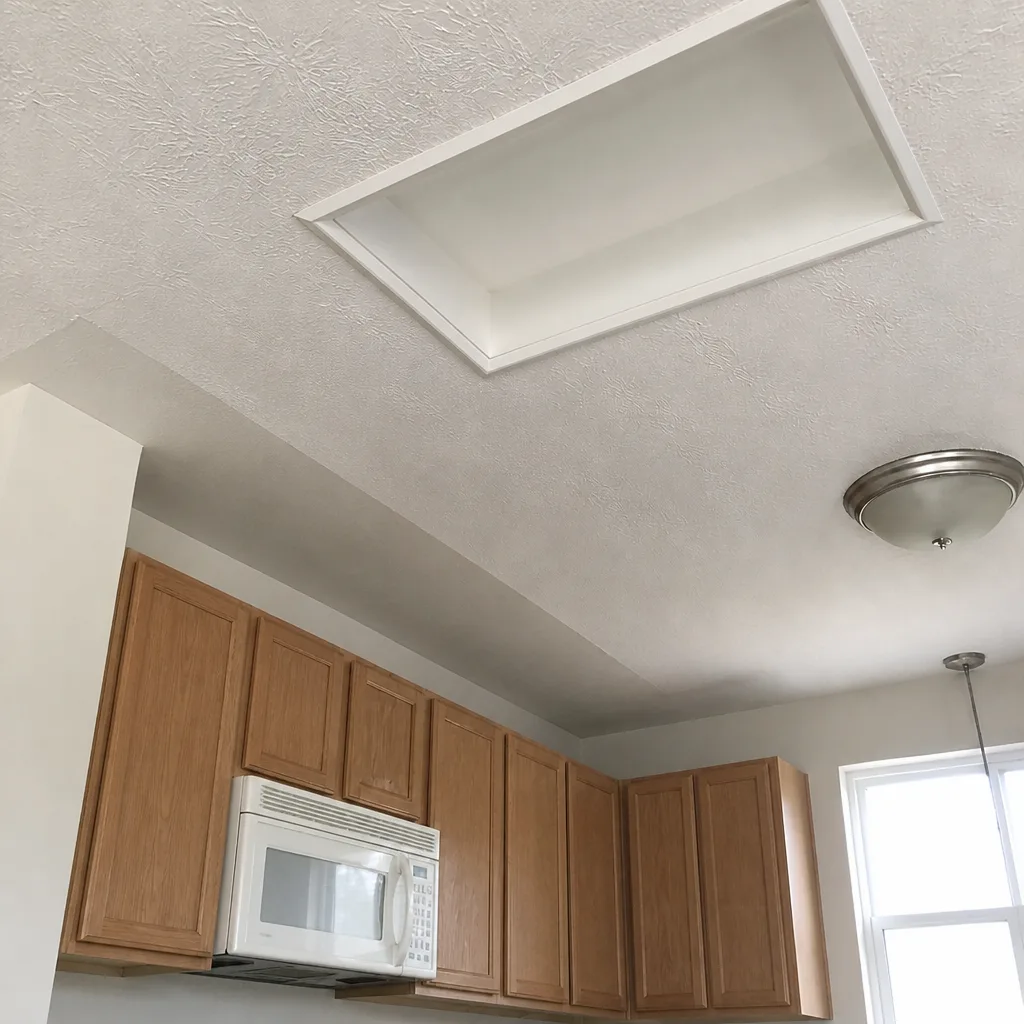 After
When to Call a Professional
Call when you see dust return to surfaces within a few days of cleaning, when a room consistently runs hotter or colder than the rest of the house, when odors show up with the blower, or when you hear new rattling, whistling, or banging. Call immediately if you smell burning when the heat runs or hear a hard banging at startup. Call before you replace a filter with a denser one, so the return can be checked. And call if your dryer takes two cycles and the outdoor flap barely moves.
Ogden Air Duct Cleaning Co offers free estimates in Ogden. Call (855) 658-5291. We answer 24/7. Fast dispatch from 7am to 7pm, Sunday through Friday.
Frequently Asked Questions
Dust returning to surfaces within a few days, rooms that won’t match the thermostat, musty or burning odors when the system runs, allergy symptoms that start when the HVAC cycles on, and new rattling or whistling sounds. Each one points to a different mechanical cause, which is why a diagnostic visit is more useful than a cleaning quote. Call (855) 658-5291 for an exact estimate, and the visit starts with the symptoms you’ve noticed.
There’s no universal schedule. It depends on how contaminated the system is, what’s getting into it, and whether the return side is sealed. Homes with pets, recent renovation dust, or visible buildup at registers need it sooner than a well-sealed newer system. A diagnostic inspection tells you whether the ducts need cleaning now or whether the problem is pressure and you can wait. Call (855) 658-5291 if you’d like an honest answer for your system.
Low quotes often exclude repair and sealing, sanitizing, and proper containment, which are the parts that make a cleaning hold. Others use a teaser price that grows once the technician is on site. We set one flat price per system before work starts, and it’s agreed before anything is touched. Call (855) 658-5291 for an exact quote and a written scope.
Ask for before-and-after photos of your own ducts, not stock photos. A technician should be able to show the interior of the system before and after cleaning and explain what was found. If a company can’t produce that, don’t hire them. Call (855) 658-5291 and we’ll walk you through exactly what the visit covers.
It can help when the ducts are contributing, but it can’t fix allergies caused by outdoor pollen or winter inversion particulate. The useful test is timing: symptoms that start when the HVAC runs point to the system, and symptoms that track with outdoor conditions point elsewhere. A diagnostic visit answers which one you’re dealing with. Call (855) 658-5291 to get started.
A light film is normal and a sign your filter is doing its job at the register, but streaking or visible buildup around the grille points to supply-side contamination or a pressure problem. The difference is whether dust returns within days of cleaning. If it does, the system is pulling it from somewhere. Call (855) 658-5291 for an inspection before deciding on cleaning.
The Bottom Line
Duct warning signs are diagnostic data, not a sales trigger. Dust that returns within days, a room that won’t heat or cool, musty or burning odors, symptoms that track the HVAC cycle, and new noise each point to a specific failure: supply-side contamination, collapsed flex, a disconnected branch, moisture, or a return-side pressure problem that’s pulling attic air into your living space. Fixing the cause before cleaning is what keeps the result from resetting in a month. Our technicians have up to 14 years of experience reading exactly these patterns in Ogden, and we scope cleaning, repair and sealing, and air-quality upgrades as separate items so you can see what you’re paying for. Call (855) 658-5291. We answer 24/7. Fast dispatch from 7am to 7pm, Sunday through Friday. The estimate is free and the price is set per job by the written estimate.
Written by the team at Ogden Air Duct Cleaning Co.