
Last updated November 25, 2026
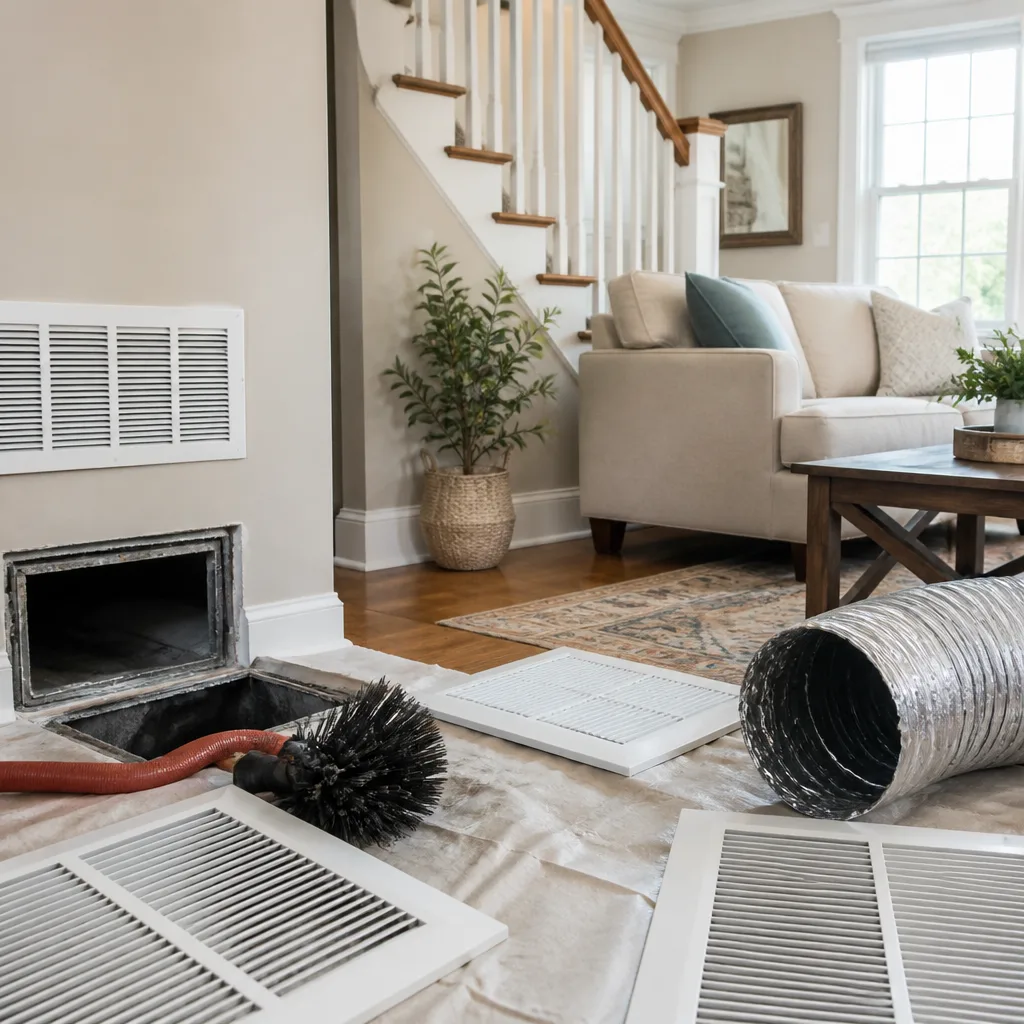 Whole-home duct cleaning
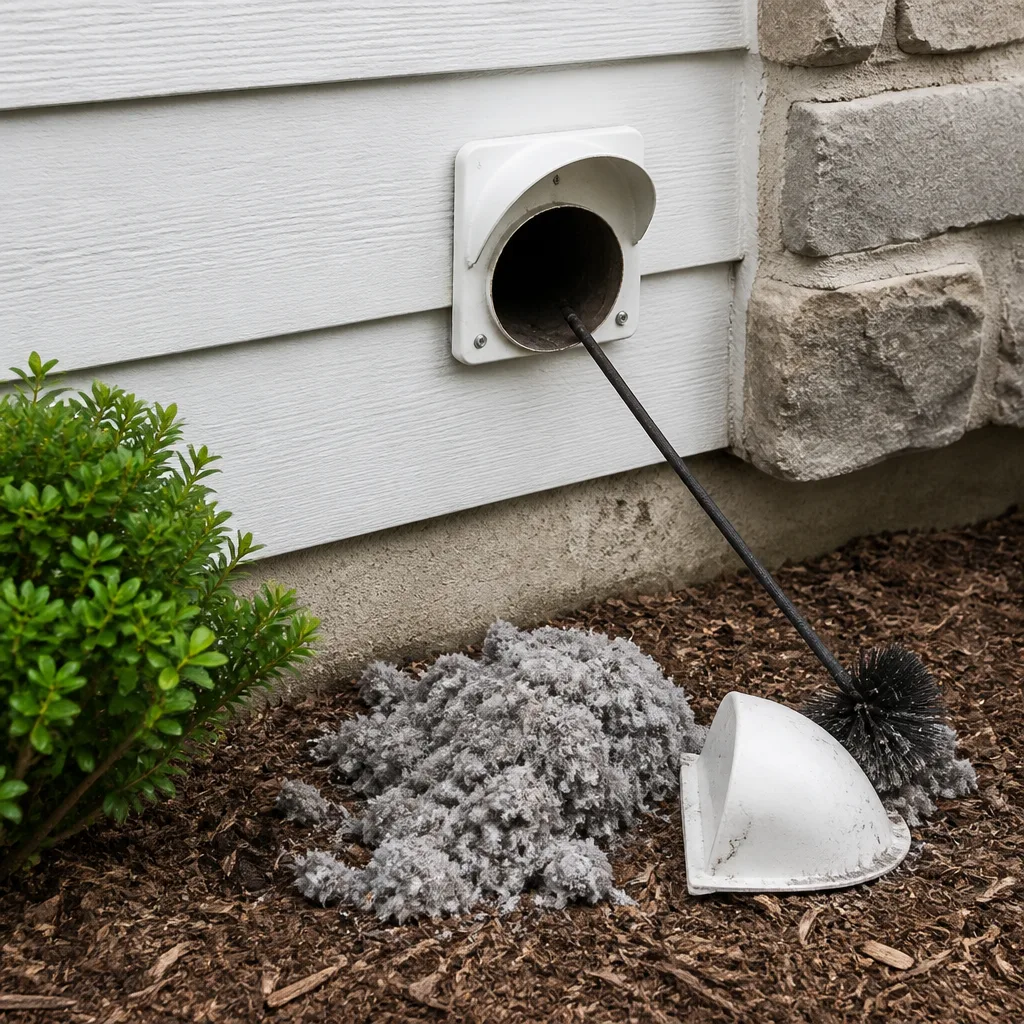 Dryer vent cleaning
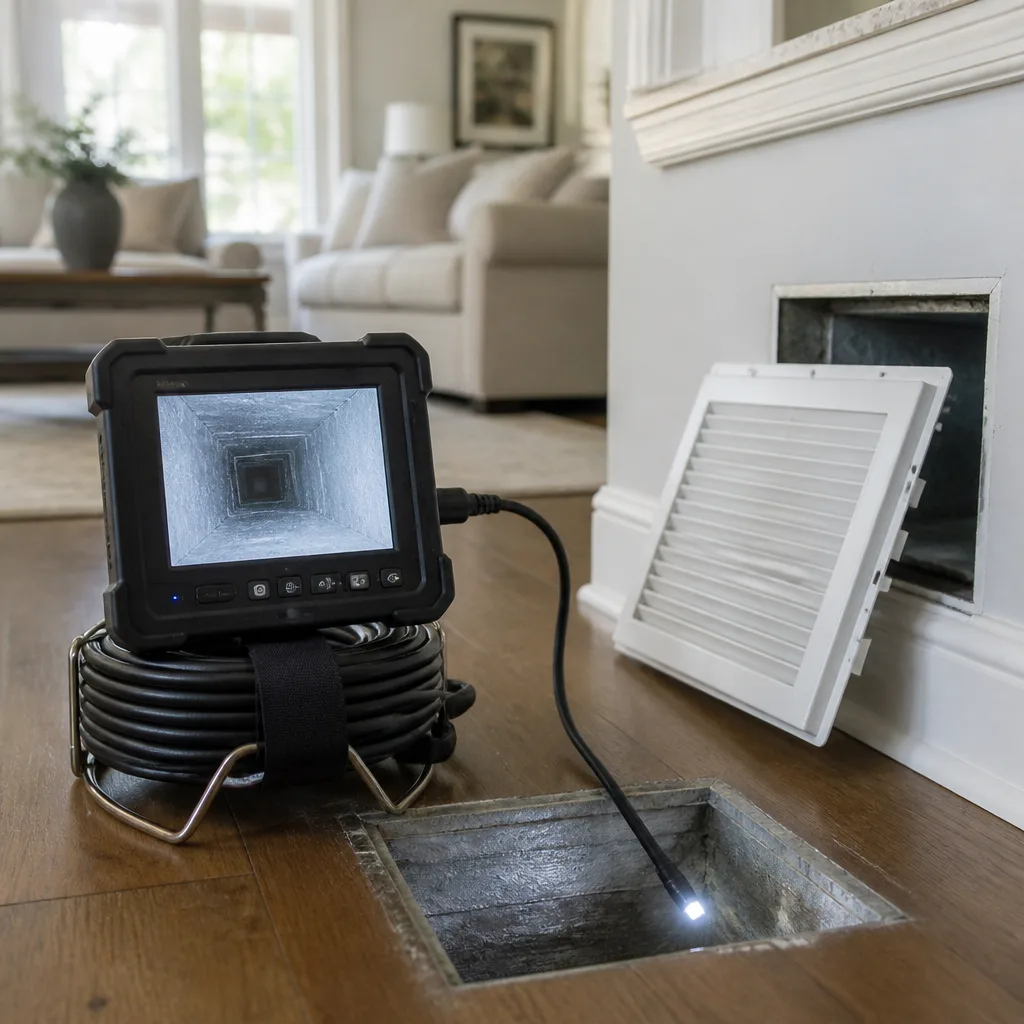 Camera inspection
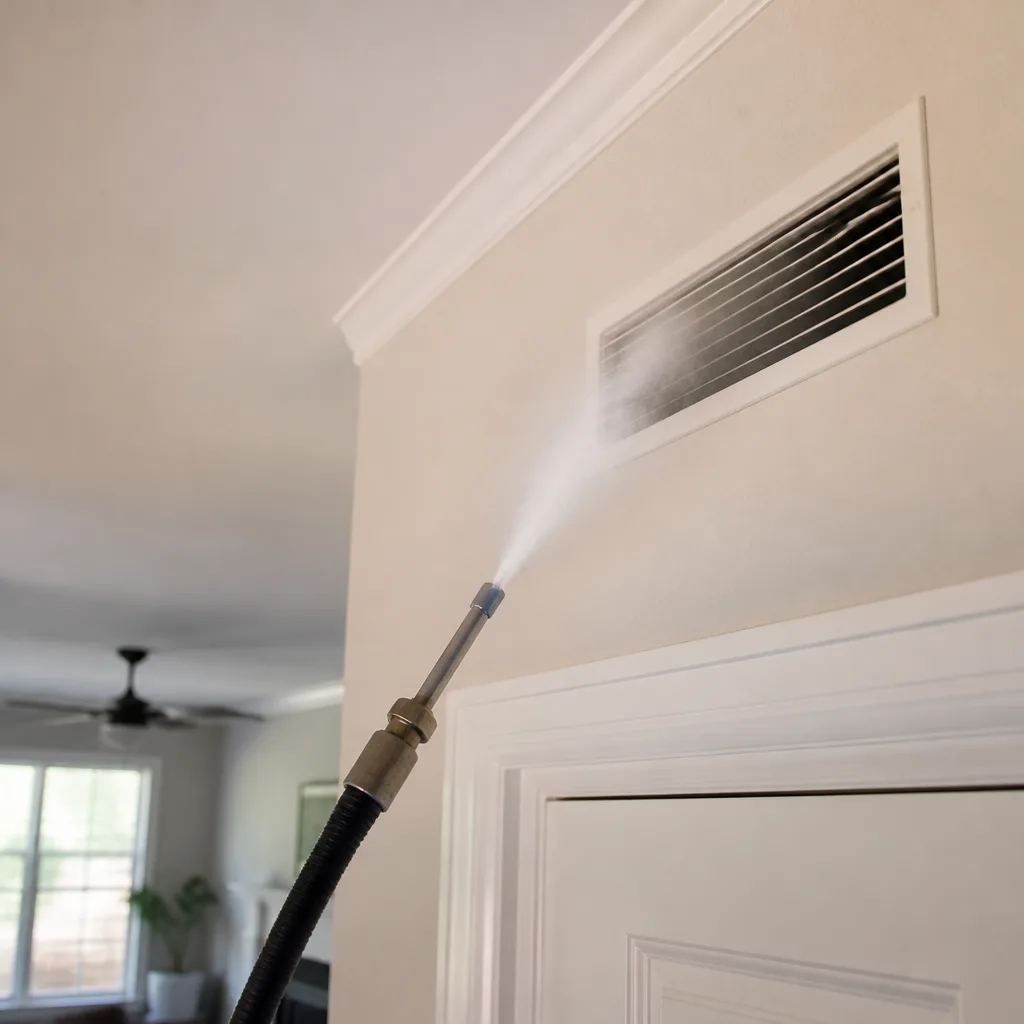 Sanitizing & deodorizing
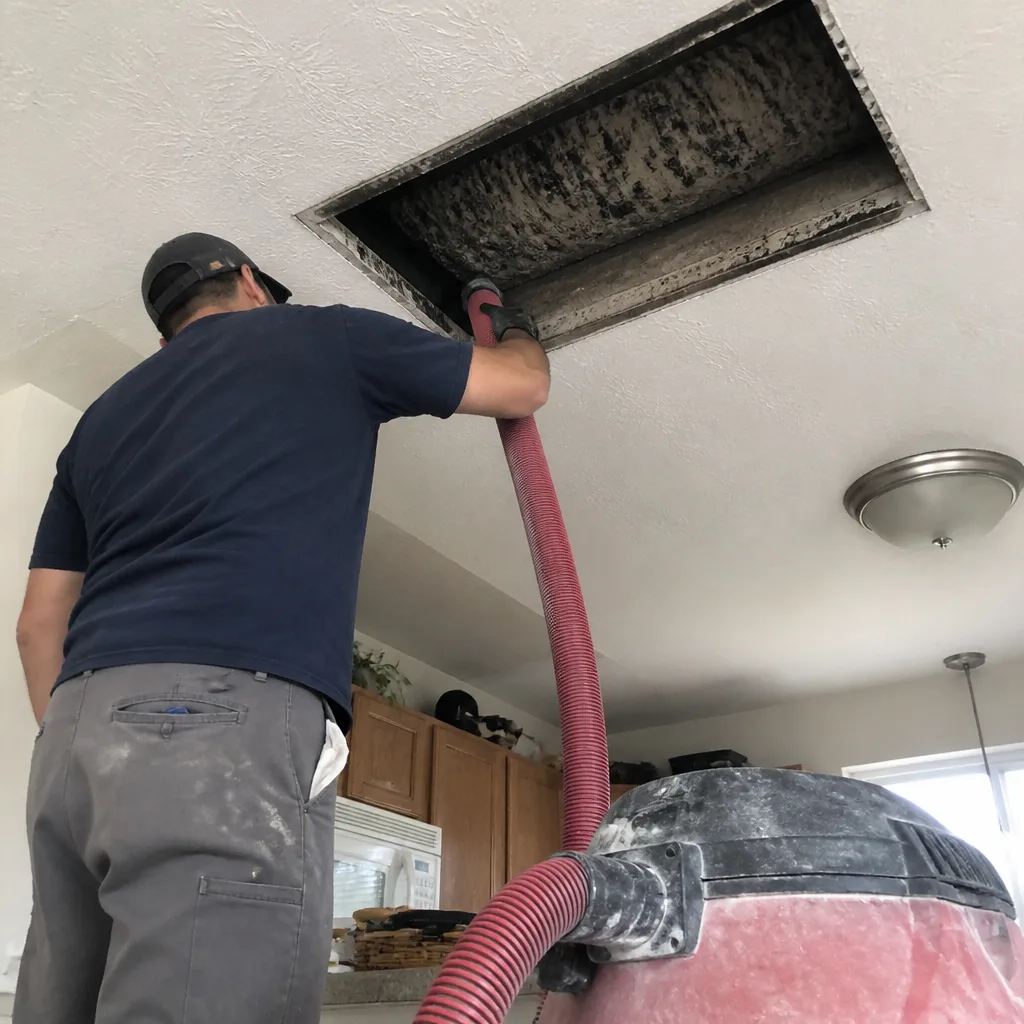
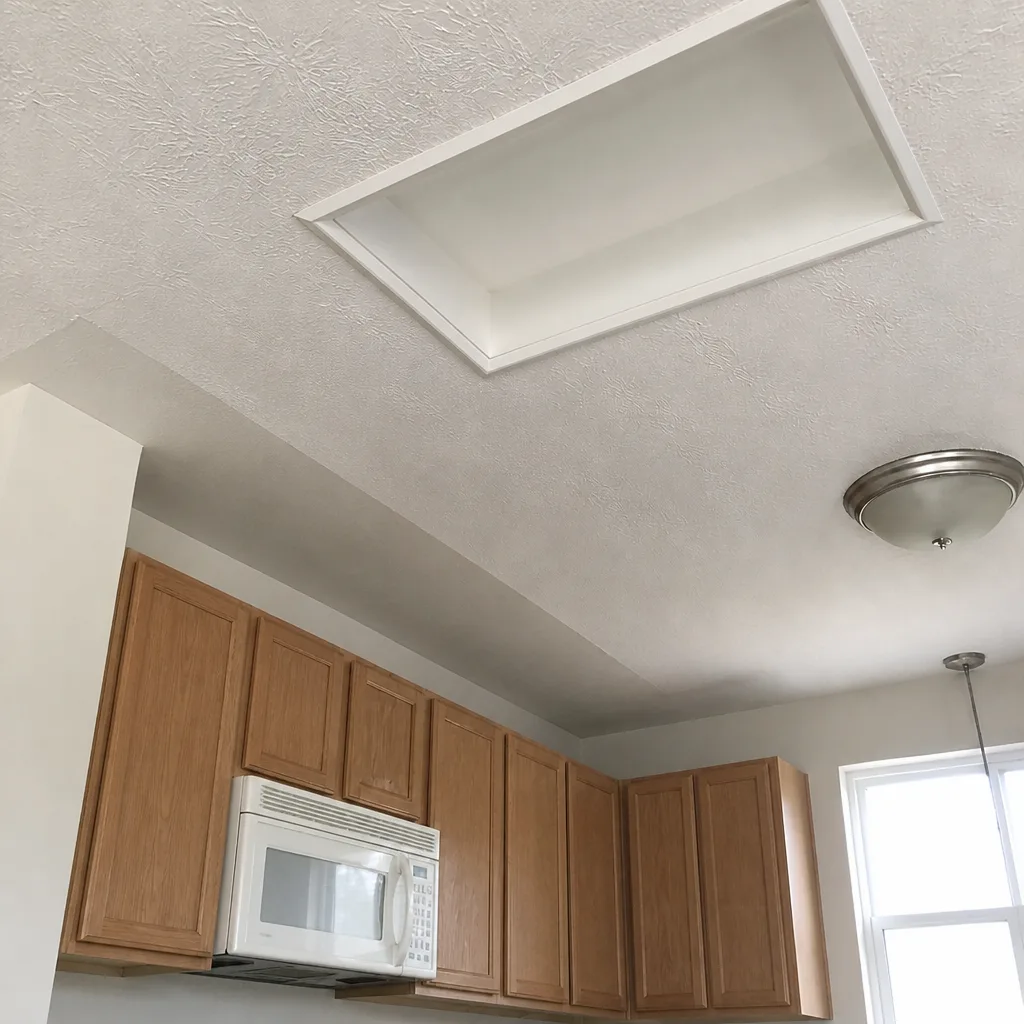
Whole-system duct and dryer vent check with before-and-after photos - you see exactly what came out of your vents
That "$99 whole-house special" is a bait ad - the real number appears once they are in your hallway, or the "clean" is a shop-vac at the register. We photograph the inside of your ducts before and after instead.
The Complete Guide to Air Duct Cleaning in Ogden
Most people think duct cleaning is a truck, a hose, and an hour of noise. The part that actually decides whether your ducts get clean happens before any of that: it’s a pressure reading, a camera inspection, and a technician who knows what number they’re looking for. We’ve pulled plenty of debris out of Ogden duct systems, and the difference between a real cleaning and a quick vacuum job usually comes down to whether anyone measured anything at all. This guide walks through what professional duct cleaning involves, what Ogden’s specific climate does to your ductwork, and what you should be handed when the job is done.
Quick Answer
Professional air duct cleaning in Ogden means a full-system clean done to the NADCA ACR standard: negative-pressure containment, mechanical agitation of every duct run, source removal of debris, and a documented before-and-after record of what came out. It’s a diagnostic process, not a one-time event, and it should include an inspection of the air handler, coils, and duct seams, not just the vents you can see. A legitimate job is measured and verified, not just performed.
Styles & brands we work with
- Whole-home duct cleaning
- Dryer vent cleaning
- Camera inspection
- Sanitizing & deodorizing
Table of Contents
- What the NADCA ACR Standard Actually Requires
- How Ogden’s Elevation and Inversions Load Your Ducts
- The Equipment Stack a Real Cleaning Requires
- Why Negative Pressure Is the Number That Matters
- What Post-Cleaning Verification Should Look Like
- Why Cleaning Without a Blower Door Test Misses the Point
- Duct Repair and Sealing: The Step Most Companies Skip
- How Often Ogden Homes Actually Need This
What the NADCA ACR Standard Actually Requires
The NADCA ACR standard (Assessment, Cleaning, and Restoration) is the industry’s benchmark for what “duct cleaning” is supposed to mean. It’s not a marketing document; it’s a procedural one, and most of the steps happen before a single brush goes into a duct. When we quote a job, we’re quoting those steps, not a vent count.
The standard breaks down into four phases:
- Assessment. Before cleaning, a technician maps the system, inspects the air handler, coils, plenum, and duct runs with a camera, and documents the condition with photos. The assessment decides whether cleaning is even the right answer; sometimes the ductwork is fine and the problem lives in the coil or the return.
- Containment. The work area gets sealed, and the system is put under negative pressure so dislodged debris has exactly one place to go: out. Without containment, you’re just moving dust from one room to another.
- Source removal. Every accessible duct run, the plenum, the blower, and the coil get agitated and extracted. Contact cleaning – physical brushes and air whips touching the duct walls – is what actually removes buildup. A vacuum at the register does not.
- Verification and restoration. After cleaning, the technician confirms the debris is gone with a camera, documents the result, and returns the system to service. Restoration can include sealing gaps, replacing compromised flex, or installing filtration upgrades.
If a company can’t tell you which of those steps they perform, you’re not getting ACR-compliant work. You’re getting the show. The difference matters more in air duct cleaning than in most trades, because the mess you can’t see is the mess that costs you.
How Ogden’s Elevation and Inversions Load Your Ducts
Ogden sits at roughly 4,300 feet, and that elevation changes how a duct system behaves. Air is thinner up here, which means a blower moves slightly less mass per cubic foot of airflow. The system compensates by running longer, and longer run times mean more dust pulled through the return and more opportunity for it to settle on duct walls.
The bigger factor is winter. Ogden sits against the Wasatch Front, and cold air pooling in the valley during winter produces temperature inversions – a layer of warmer air trapping colder air and everything suspended in it near the ground. When inversions hold for days, particulate matter that would normally disperse settles instead. On your roof, that’s just haze. Inside your return duct, it’s a slow accumulation of fine particulate that a standard filter doesn’t catch. Homeowners near the bench, where cold air drains downslope overnight, tend to see heavier dust loads in the return than homes out on the valley floor.
What that means practically:
- Return-side dust accumulation in Ogden tends to be heavier than what you’d see in a lower-elevation, better-ventilated climate with the same house and the same habits.
- Homes with older flex duct, especially in crawlspaces and attics, collect more because flex has ridges that trap particulate.
- Inversion-season dust is fine enough that it bypasses standard 1-inch filters and coats the blower wheel and evaporator coil over time.
- Homes that stay closed up through inversion periods re-circulate that particulate for weeks at a stretch.
Elevation and inversions don’t cause duct problems on their own. They make existing ones worse. That’s why an Ogden inspection is worth doing before someone tells you a cleaning is due.
The Equipment Stack a Real Cleaning Requires
You can’t judge a duct cleaning by the truck in the driveway. You can judge it by the equipment the technician brings inside. Here’s what a full-system clean actually needs, and why each piece is doing real work.
Negative-Pressure Vacuum
This is the heart of the system. A truck-mount unit or a high-CFM portable gets connected to the plenum, and the whole ductwork is pulled under vacuum. Truck-mounts generally move more air than portables and are the right call for larger homes and long duct runs; portables are used where the truck can’t reach or where a job needs a contained setup. We use Nikro negative-pressure equipment, which is the same platform specified for commercial and industrial duct work.
Contact-Cleaning Tools
Vacuum alone doesn’t scrub. You need agitation: rotary brushes, air whips, and cable-driven tools that physically contact the duct wall. We run Rotobrush contact-cleaning systems, which are engineered specifically for professional duct work. A brush that touches the duct is what removes the caked-on layer; a vacuum only pulls what’s already loose.
Containment and Filtration
Containment keeps the work area isolated and keeps fine particulate out of your living space. We carry Abatement Technologies containment and air-filtration equipment, which is the same class of tools used in professional mold and hazardous-material remediation. That’s not overkill for a house. It’s what it takes to keep the dust from ending up on your furniture.
Inspection Cameras
A camera goes into the duct before cleaning to see what’s there, and after cleaning to confirm it’s gone. If a technician never puts a camera in your ducts, you have no way of knowing what was cleaned or whether anything was missed.
Why Negative Pressure Is the Number That Matters
Here’s the number that most homeowners have never heard: negative pressure, measured in Pascals. When the vacuum is connected and the system is running for cleaning, the ductwork should be pulled down well below ambient. A reading of -50 Pascals or stronger is the practical floor for a real job; below that, you’re more likely to be blowing debris around inside the system than pulling it out.
What that number tells you:
- It confirms the vacuum is actually connected and sealed. A weak reading means a leak in the containment, which means debris is escaping somewhere it shouldn’t.
- It tells you whether the brush work is doing anything. Agitation knocks debris loose; the pressure is what carries it out. If the pressure isn’t there, the brushing just redistributes.
- It separates the real jobs from the shows. A shop vac at a register and a plastic tarp over the return is not negative pressure. It’s decoration.
We’ve been asked more than once whether the number is a marketing invention. It isn’t. It’s a measurable variable that a technician with the right gauge can record on site, the same way a plumber records water pressure. When an Ogden homeowner asks why our equipment cost what it did, this is the answer: because without that pressure, the cleaning isn’t cleaning.
What Post-Cleaning Verification Should Look Like
The job isn’t done when the last brush comes out. It’s done when the technician can show you what changed. A post-cleaning verification should include all of the following:
- Camera inspection of each accessible run. Not just a peek at the main trunk. Each run that was cleaned gets inspected and documented.
- Before-and-after photos. Of your ducts, not a stock image of someone else’s. If a company can’t produce photos of your system, ask why.
- A written summary of findings. What was found, where it was found, what was removed, and what remains as a future concern. Coils, blower wheel, and any compromised flex should all be documented.
- Recommendations for repair or sealing if needed. Cleaning without addressing a disconnected joint or a crushed flex run means the dust comes back. The verification step is where those issues get named.
- Confirmation the system is running correctly. Static pressure checked, filter status noted, and any filtration upgrade discussed before the technician leaves.
If the only thing you’re handed at the end is a bill and a business card, the documentation step got skipped. That’s a signal about how the rest of the job went.
Why Cleaning Without a Blower Door Test Misses the Point
Duct cleaning addresses what’s inside the ducts. A blower door test and pressure pan testing tell you whether the ducts are actually sealed – and in most Ogden homes, they aren’t. A blower door test pressurizes the house to find the total air leakage; pressure pan testing puts a gauge over each register to see whether that specific duct run is leaking into the attic, crawlspace, or wall cavity.
Why that matters: a leaky return in an attic or crawlspace draws unconditioned air, insulation fibers, and whatever else lives out there straight into your living space. Cleaning that duct system without sealing the leaks means you’re scrubbing a surface that gets re-contaminated the moment the system kicks on. You’ve spent the money and the problem is already coming back.
This is why we treat cleaning and sealing as one process, not two services sold separately. The cleaning gets the debris out. The sealing keeps it from getting back in. If a company quotes a duct cleaning without ever checking whether the ducts leak, they’re solving half the problem and handing you the bill.
Duct Repair and Sealing: The Step Most Companies Skip
Most companies offer cleaning and stop there. Duct repair and sealing is a named service for a reason: it’s where the energy savings and the air-quality gains actually live. Cleaning without addressing leaks means re-contamination, and in a heating-dominated climate like Ogden’s, it also means paying to heat your attic through every gap in the return.
What repair and sealing covers:
- Disconnected or crushed flex runs in attics and crawlspaces, which are the most common source of leakage.
- Seams and joints at the plenum, trunk, and branch takeoffs, which are typically sealed with mastic or foil tape rated for HVAC use.
- Register boots that weren’t sealed to the drywall at installation, a constant source of leakage into wall cavities.
- Filter grille housings that leak unfiltered air around the frame.
We do the sealing in-house, with the same technicians who cleaned the system. Clean ducts are step one. Sealed ducts are step two. We do both. That’s also why we stock and install Aprilaire and Honeywell filtration and air-quality systems: once the system is clean and sealed, filtration is what keeps it that way over the next several years of Ogden winters.
How Often Ogden Homes Actually Need This
There’s no single answer, and anyone who quotes you one is guessing. NADCA’s general guidance is to have a system cleaned when there’s evidence it needs it – visible debris, a documented source of contamination, or a health concern tied to the ducts. In Ogden specifically, the things that move the timeline:
- Pets. High-shedding dogs and cats load the return faster than any other single factor.
- Recent renovation. Drywall dust and construction debris are the number one reason for a cleaning. If you’ve had work done, get the system cleaned afterward, not before.
- Older homes. Homes with original flex or older sheet metal ductwork tend to accumulate more and seal worse.
- Smoke and inversion exposure. Homes in the lower bench and near busy corridors that stay closed up through winter see faster accumulation in the return.
- Symptoms. Musty smell on startup, uneven heating from room to room, a visible dust line at the registers, or allergy symptoms that get worse when the system runs.
The right interval for a typical Ogden home with pets is shorter than the right interval for a newer home without them. If you’re not sure where you land, the right move is an inspection, not a guess. Our HVAC cleaning service includes the air handler, coil, and blower, which is often where the real problem is hiding. And don’t overlook the laundry room: dryer vent cleaning is a separate fire-safety service we treat with the same equipment standard as full HVAC work.
Common Mistakes to Avoid
- Hiring on price alone. A quote that’s dramatically below the rest usually means a shop vac at the register and no containment. In Ogden’s inversion season, that’s not a cleaner system; it’s a dust distribution system.
- Accepting a vent count as a quote. A per-vent price tells you nothing about the size of your system, the condition of the coil, or how many runs actually need cleaning. Ask for a whole-system estimate.
- Skipping the camera. No before-and-after photos of your actual ducts means no way to verify the work happened. Ask to see them.
- Cleaning without sealing. In a climate where the winter heating season is long, leaky return ducts re-contaminate the system within a season. If sealing isn’t offered, the cleaning is a temporary fix.
- Ignoring the dryer vent. It’s a separate system, and a lint-blocked vent is a fire risk. Ogden homes with older vent runs and semi-rigid duct are especially prone to this.
- Assuming a filter solves it. Filters catch what reaches them. The fine particulate that settles on duct walls during inversion season already got past the filter.
- Cleaning right after renovation instead of after the dust settles. Wait until the work is finished and the dust has stopped being generated, then clean. Otherwise you’ll do it twice.
See the difference
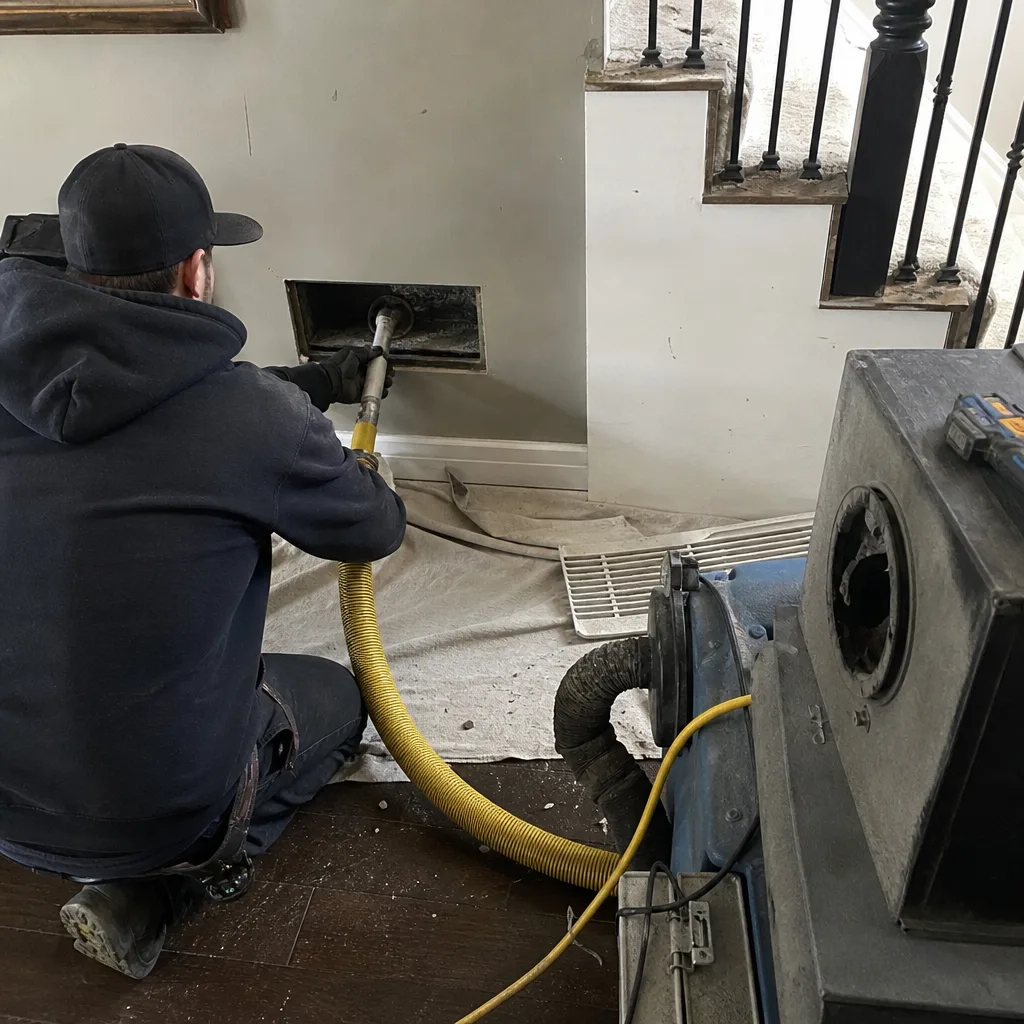 Before
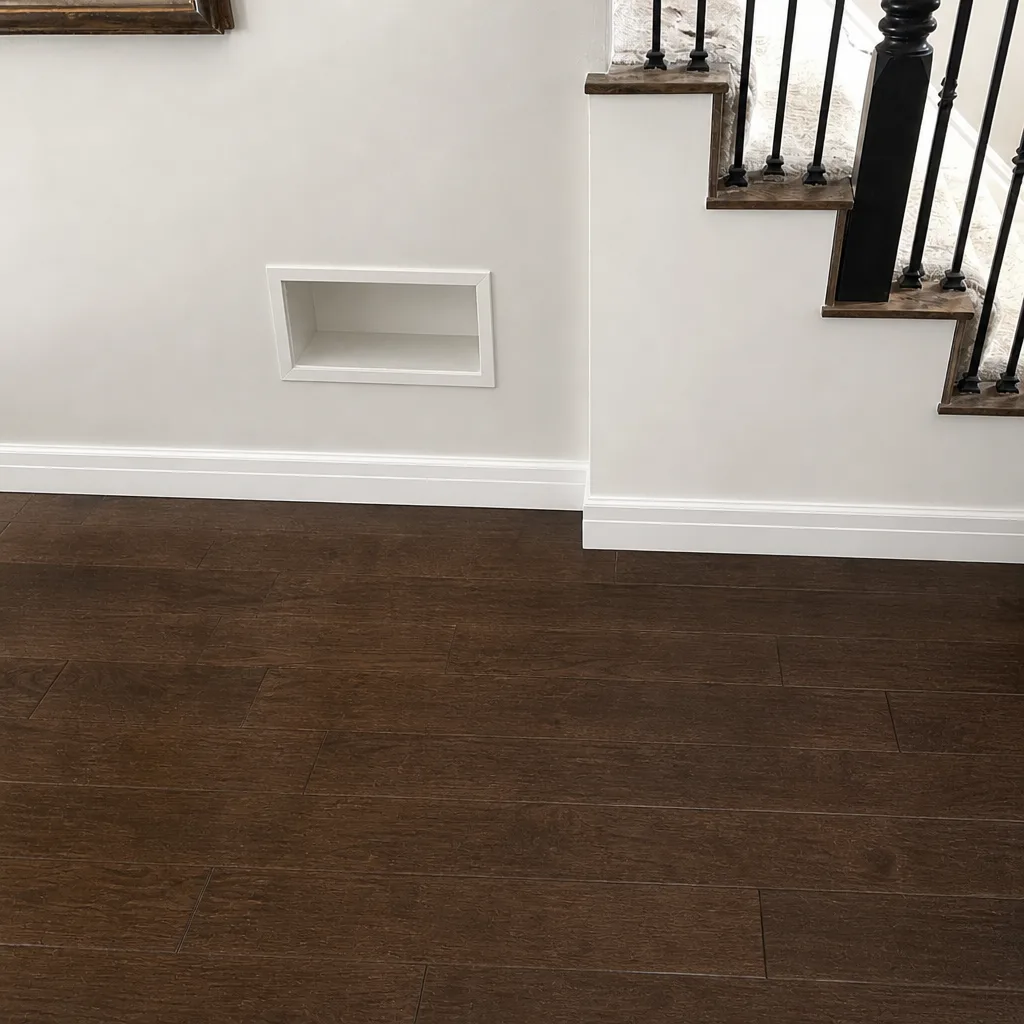 After
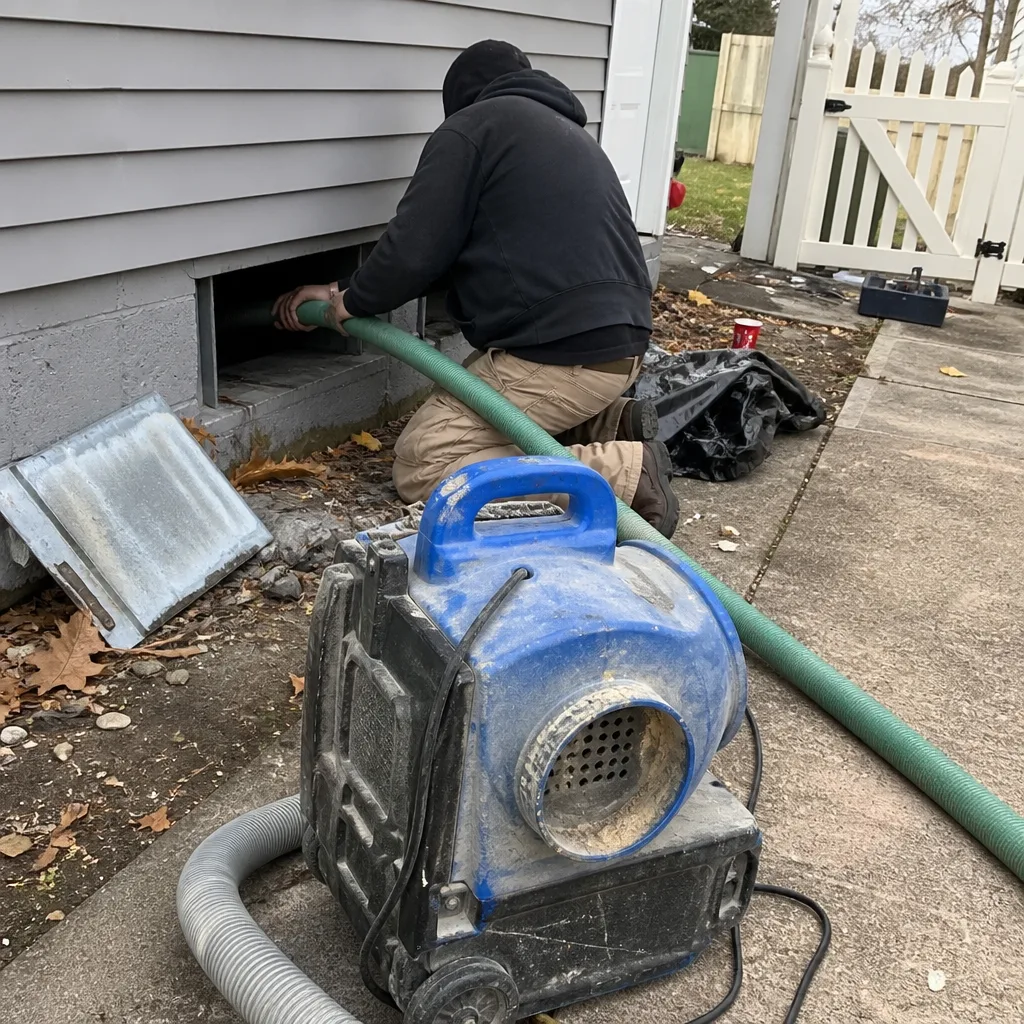 Before
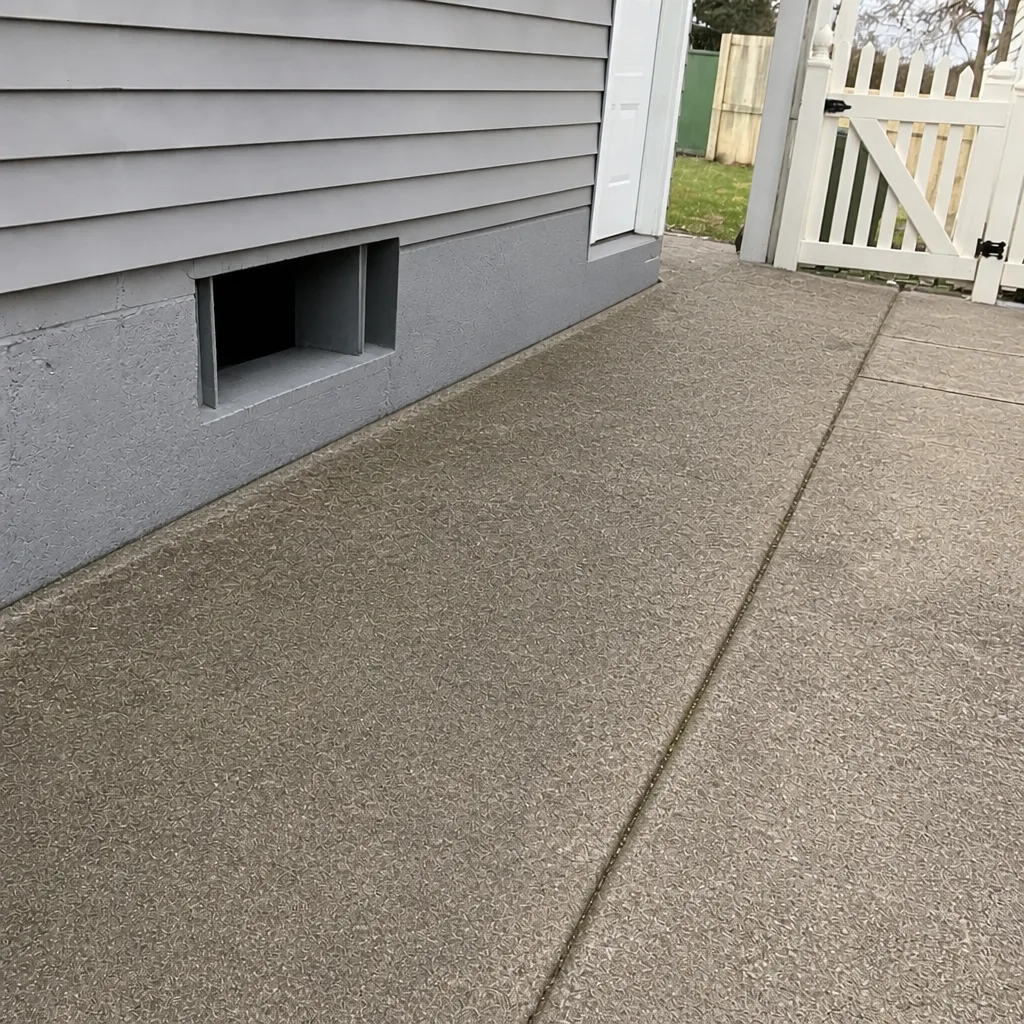 After
 Before
 After
When to Call a Professional
Some duct problems announce themselves. A musty smell when the heat kicks on, a visible dust line at the return grille, uneven airflow from room to room, or a recent renovation that filled the air handler with drywall dust are all signs the system needs an inspection and likely a clean. So is a persistent allergy-symptom pattern that gets worse when the system runs, or an energy bill that climbed without a matching change in how you use the house. A dryer that takes noticeably longer to dry a load is a separate warning about the vent and shouldn’t wait. If any of those sound familiar, an inspection is the right first step. Ogden Air Duct Cleaning Co offers free estimates in Ogden – call (855) 658-5291. We answer 24/7. Fast dispatch from 7am to 7pm, Sunday through Friday.
Frequently Asked Questions
Air duct cleaning in Ogden is priced per system by a written estimate, not per vent, and the estimate is free. A whole-system estimate reflects the size of the system, how many runs need cleaning, and whether the air handler, coil, and blower are part of the job. Call (855) 658-5291 for an exact quote – estimates are free.
A full-system clean done to the ACR standard takes a few hours, longer for larger homes, homes with long attic or crawlspace runs, or jobs that include coil cleaning and duct sealing. The time reflects the inspection, containment, cleaning, and verification steps, not the size of the crew. Call (855) 658-5291 and we’ll walk you through what your system needs.
It’s best if someone is home at the start so the technician can walk the system with you and again at the end for the verification and the photos. The middle hours are the technician working through the ductwork. Call (855) 658-5291 to schedule an estimate around your availability.
Cleaning can help if the duct system is contributing to what you’re breathing – dust, dander, or microbial growth on duct surfaces. It won’t fix an unrelated cause. That’s why we look at the coil, the blower, and the return before we recommend a cleaning, and why we stock Aprilaire and Honeywell filtration upgrades for the homes that need them. Call (855) 658-5291 for a diagnostic estimate.
Older Ogden homes often benefit most because their ductwork was usually installed before modern sealing standards and often includes original flex or poorly sealed register boots. Cleaning alone gets the debris out; sealing and repair keeps it from returning. Call (855) 658-5291 to have the system inspected first.
Cheap quotes usually skip steps: no negative-pressure containment, no camera verification, no coil or blower work, and no sealing. Once you strip those out, the price looks great because the job is half done. We price per system in a written estimate so you know what’s included before we start. Call (855) 658-5291 to compare an itemized estimate.
The Bottom Line
Duct cleaning in Ogden is a diagnostic process, not a truck-and-vacuum show. Done to the NADCA ACR standard, it means assessment, containment, source removal with contact cleaning, and documented verification with photos and camera work. It also means looking at what Ogden’s elevation and inversion seasons actually do to your return, checking whether the ducts leak with a blower door and pressure pan test, and sealing what’s leaking so the cleaning lasts. If a company can’t tell you about negative pressure readings, camera verification, or duct sealing, that tells you what kind of job you’re buying.
Ogden Air Duct Cleaning Co provides full-system indoor air services in Ogden – cleaning, dryer vent, HVAC, repair and sealing, and air quality and sanitizing – using Rotobrush, Nikro, and Abatement Technologies equipment, with Honeywell and Aprilaire systems for the homes that need them. Our technicians have up to 14 years of experience. One flat price per system agreed before work starts, before-and-after photos of your ducts, and a written estimate that sets the final price. Call (855) 658-5291 for a free estimate. We answer 24/7. Fast dispatch from 7am to 7pm, Sunday through Friday.
Written by the team at Ogden Air Duct Cleaning Co.