
Last updated November 25, 2026
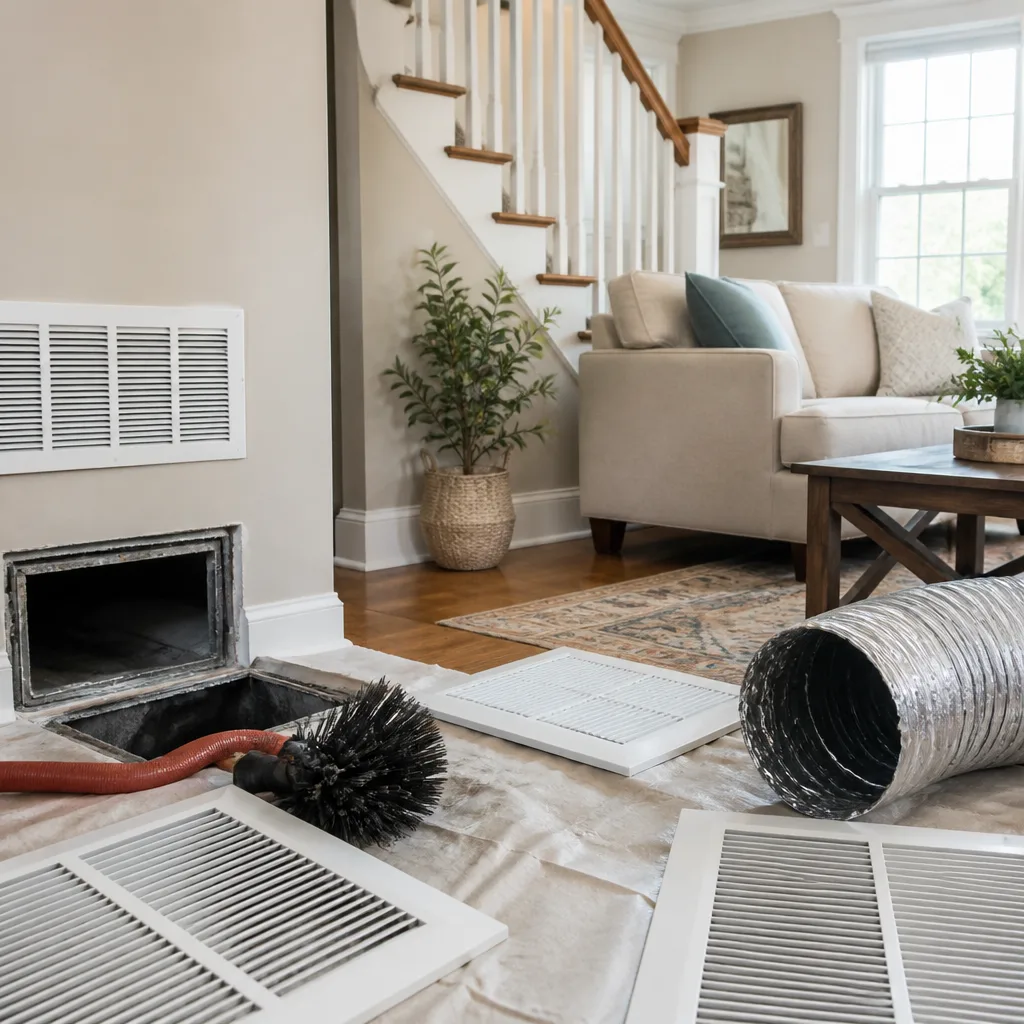 Whole-home duct cleaning
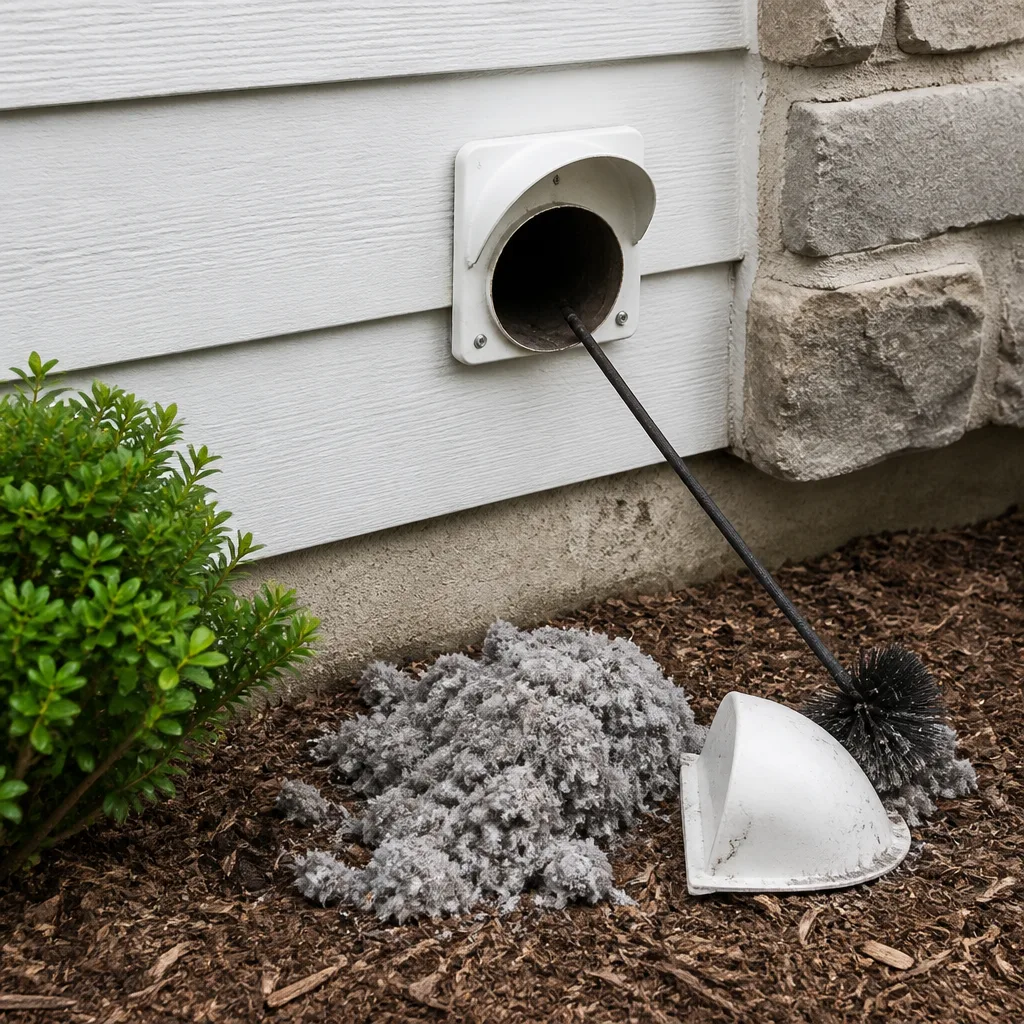 Dryer vent cleaning
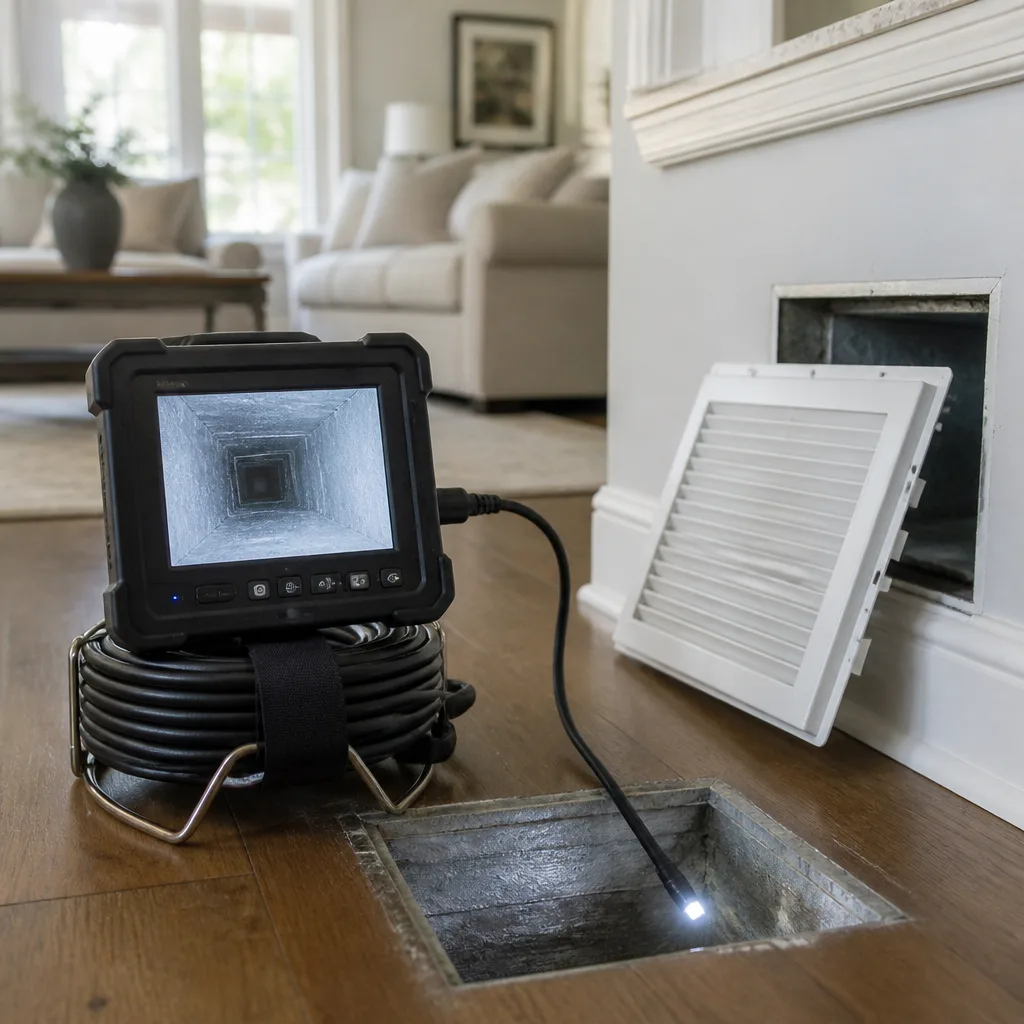 Camera inspection
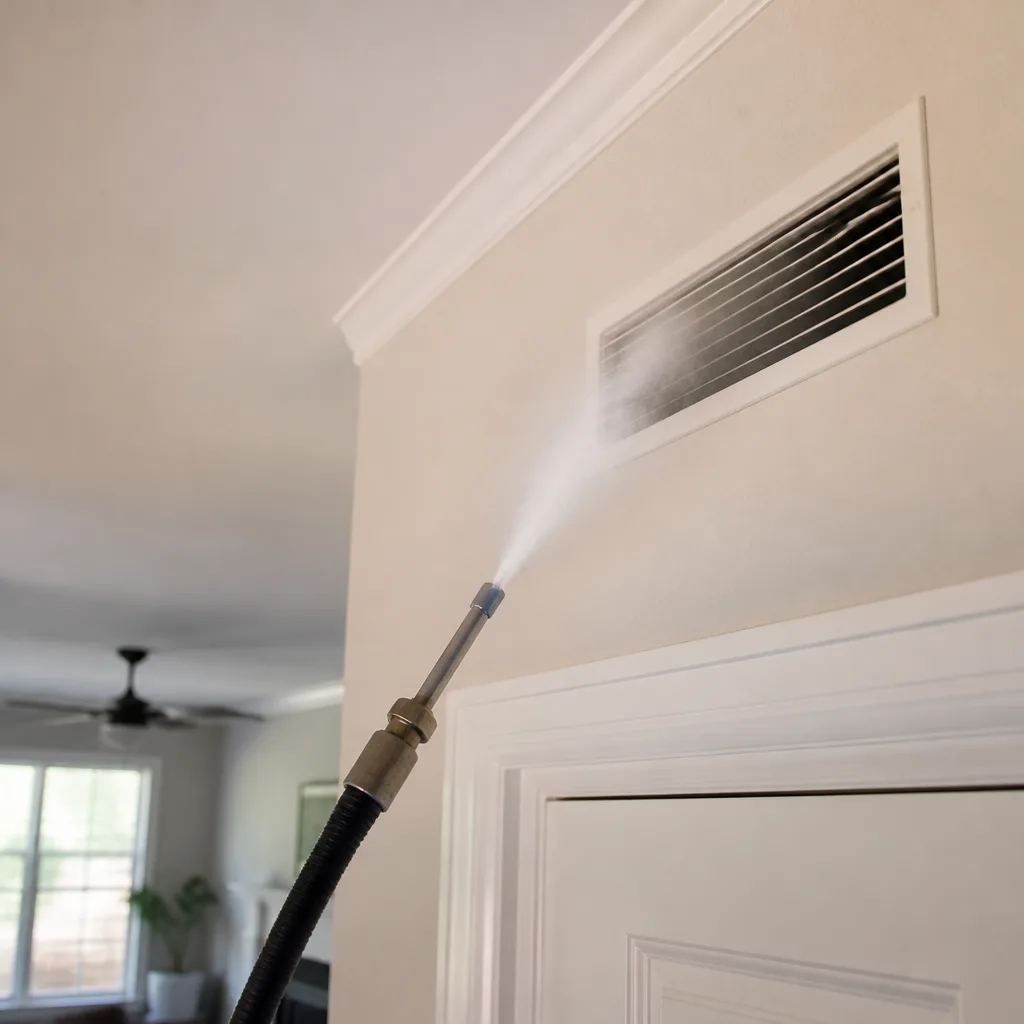 Sanitizing & deodorizing
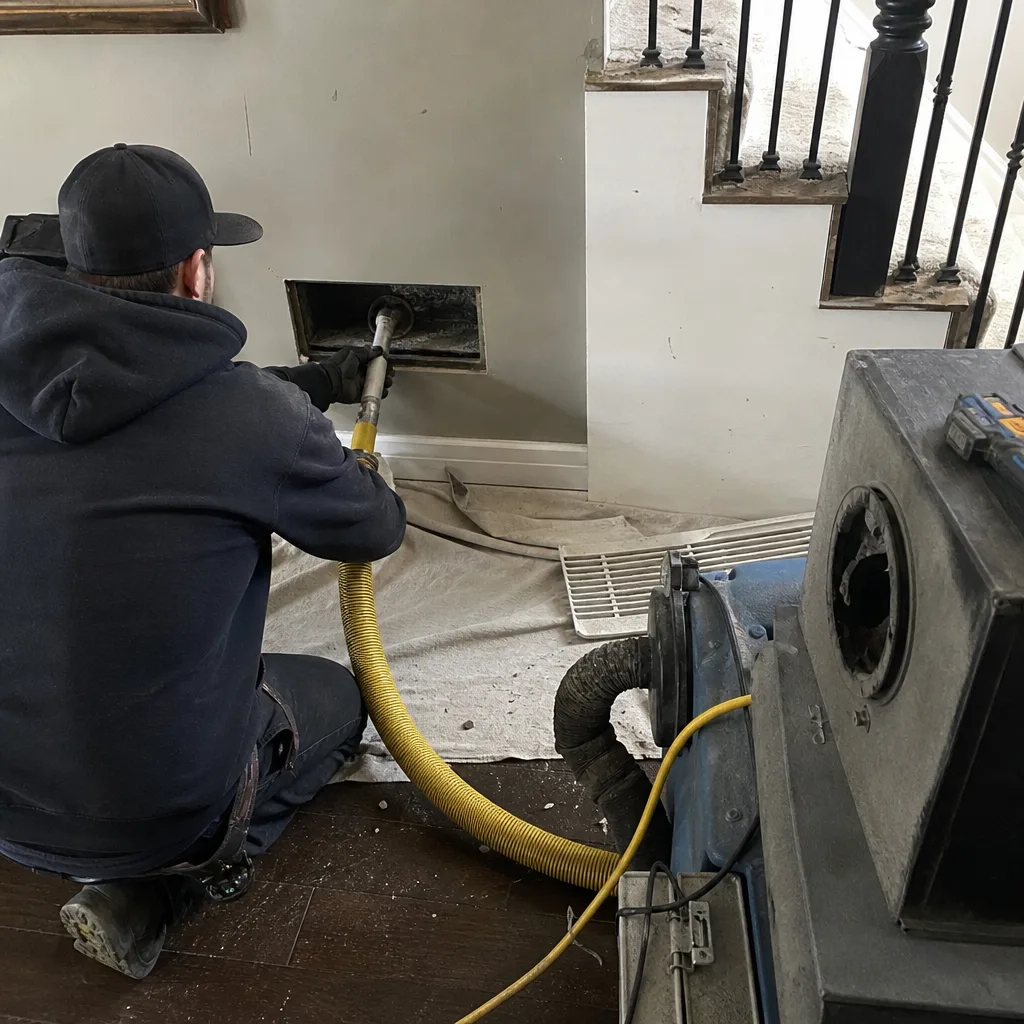
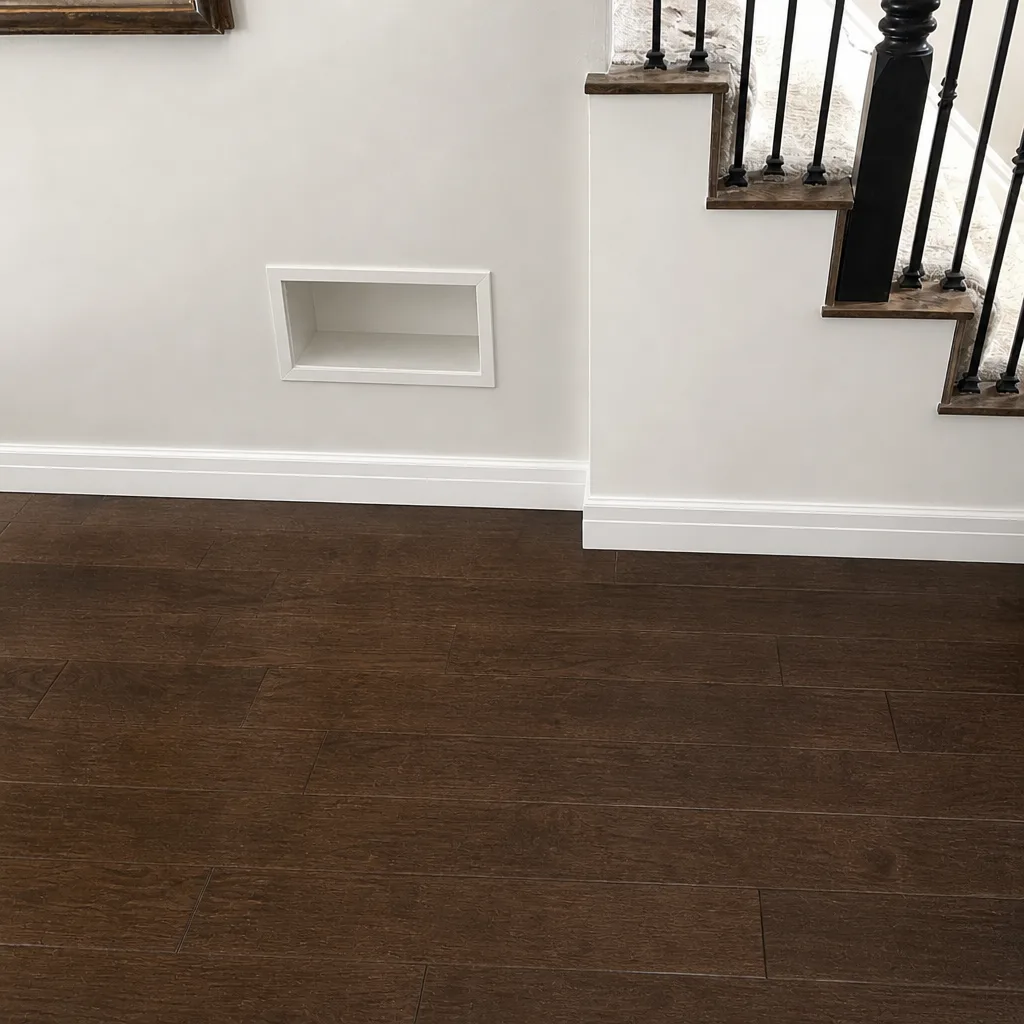
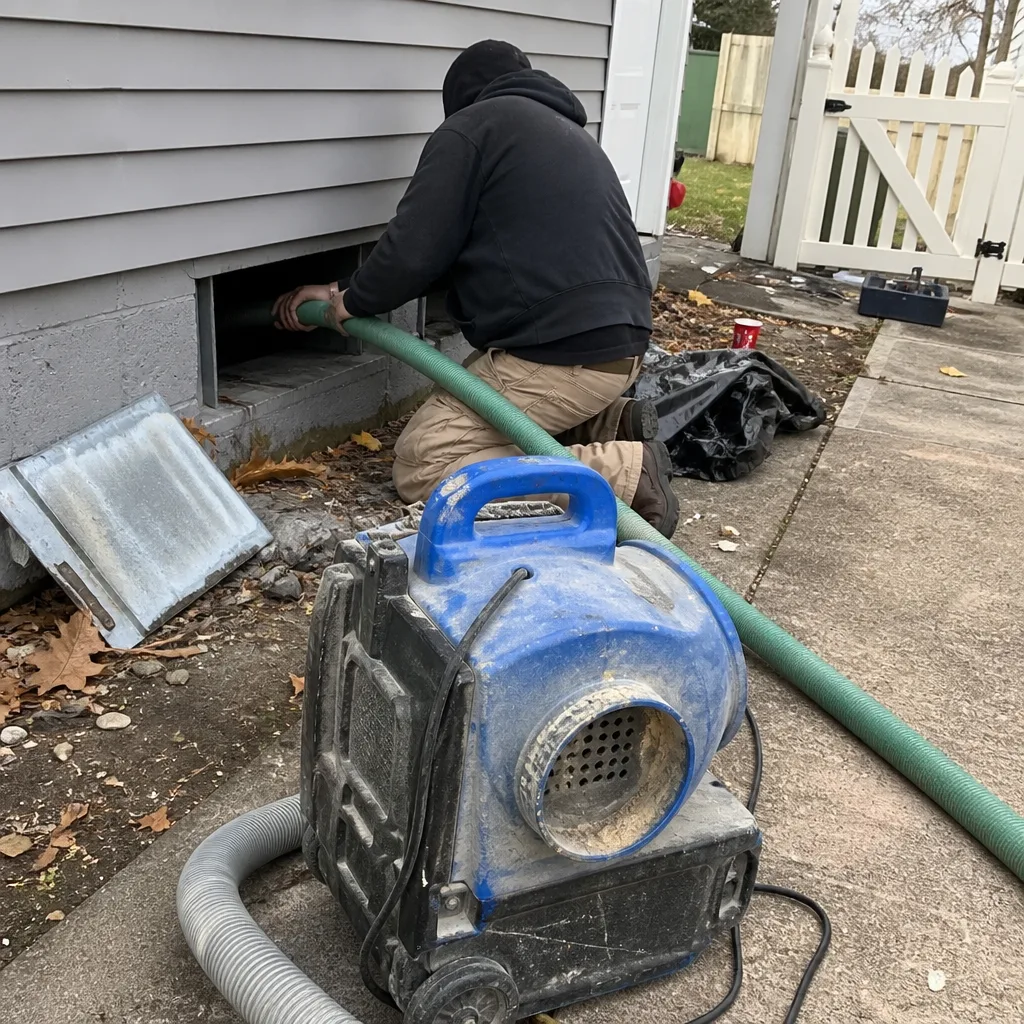
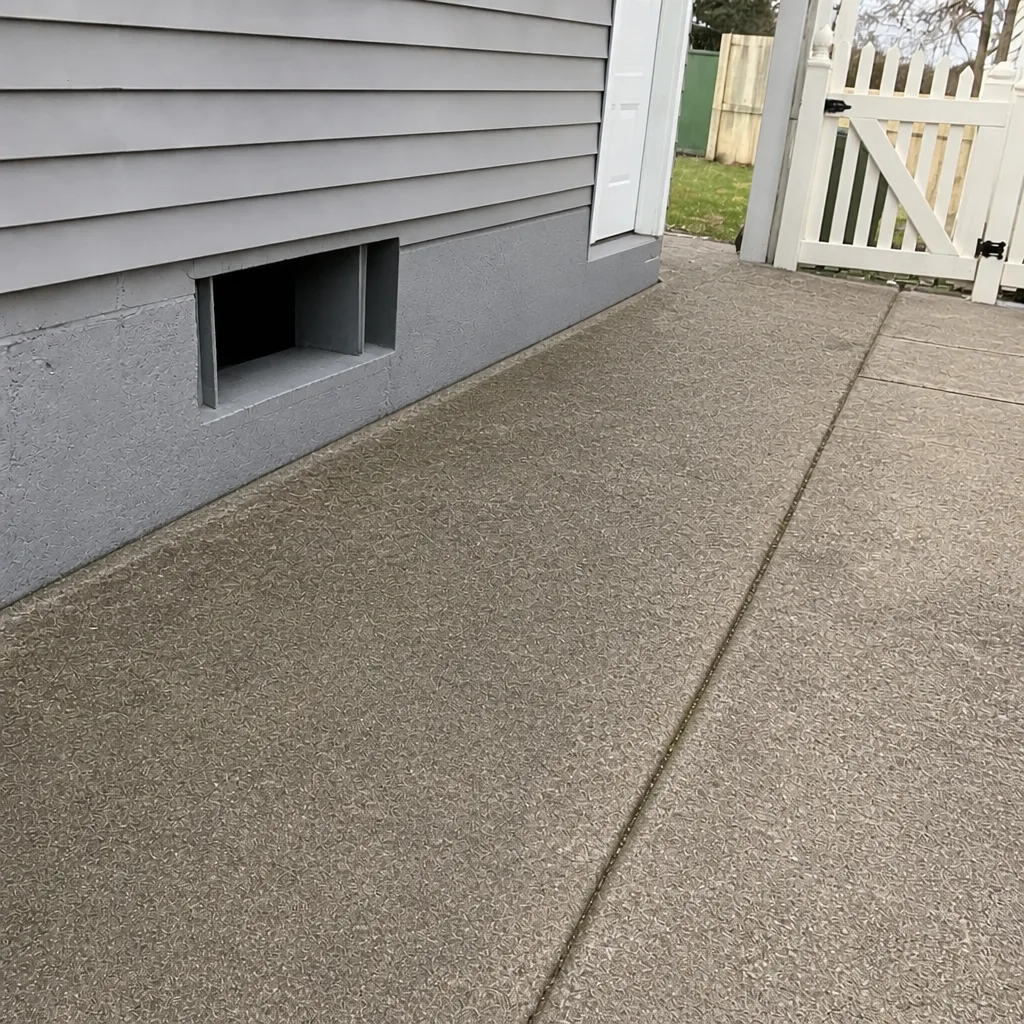
Whole-system duct and dryer vent check with before-and-after photos - you see exactly what came out of your vents
That "$99 whole-house special" is a bait ad - the real number appears once they are in your hallway, or the "clean" is a shop-vac at the register. We photograph the inside of your ducts before and after instead.
Air Duct Cleaning Maintenance Checklist for Ogden Homeowners
Most duct advice you’ll find online stops at “change your filter every 90 days,” which is a little like being told to change your oil and never check the tires. The filter slot is where we’d start, but not for the reason you’d guess: the gap between a 1-inch filter and an oversized filter housing can pull more unfiltered air into your ducts than a dirty filter ever would. That gap is one of the most common unchecked items in Ogden homes, and it’s invisible unless you know to look. This guide gives you a system-specific inspection protocol tied to the mechanical parts that actually drive contamination between professional cleanings. You’ll learn what to check monthly, quarterly, and annually on the gas-furnace-plus-central-AC systems standard across Northern Utah.
Quick Answer
A practical duct maintenance routine for an Ogden home means three things: sealing the filter slot so the system pulls air through the filter instead of around it, inspecting supply and return registers monthly for dust streaks and musty smells, and booking a professional full-system cleaning every few years, sooner if you’ve had construction dust, pets, or water intrusion. Homeowner checks catch the small stuff. Professional cleaning with contact equipment and negative pressure removes what builds up inside the ductwork itself.
Styles & brands we work with
- Whole-home duct cleaning
- Dryer vent cleaning
- Camera inspection
- Sanitizing & deodorizing
Table of Contents
- Monthly Checks: The 15-Minute Walkthrough
- Quarterly Checks: Filters, Registers, and Flex Connections
- Annual Checks: The Full System Once-Over
- Choosing the Right MERV Rating for Your Ogden Home
- Reading Your Registers Without Removing Ductwork
- Flex Duct at the Plenum: Detachment and Compression
- When a Homeowner Check Means Calling a Technician
- Common Mistakes to Avoid
Monthly Checks: The 15-Minute Walkthrough
Once a month, walk your house with nothing but your eyes and a flashlight. The goal isn’t to clean anything – it’s to catch changes early. A duct system that’s degrading usually announces itself weeks before you’d notice a comfort problem.
Start at the filter. Pull it and hold it up to a light. If you can’t see the lamp through the pleats, it’s done, regardless of what the packaging claims about lifespan. While the filter is out, look at the filter slot itself. Run your fingers around the edge of the frame. If there’s a visible gap wider than a credit card between the filter edge and the housing wall, air is bypassing the filter entirely. That’s the counterintuitive problem this guide opens with, and in Ogden homes with older furnace cabinets, it’s remarkably common.
Then check each supply register:
- Dust streaks around the grille. Dark trails radiating from the edges mean air is escaping around the register boot, not just through it.
- Black or gray staining on the ceiling nearby. Usually a sign of a poorly sealed boot or, in some cases, return-air imbalance.
- Weak airflow compared to other rooms. Note which rooms feel starved – patterns matter more than any single reading.
- Musty or dusty smell when the system kicks on. Odor on startup points to contamination somewhere in the return path.
Finally, check the condensate drain pan and the area around the air handler for standing water. In Ogden’s dry summers, a wet spot near the indoor unit almost always means a clogged drain line, and moisture plus ductwork is a mold conversation you don’t want to have. Note anything you find. A written log over three or four months tells a technician far more than a one-time observation. If you want to understand what a full professional inspection covers, our air duct cleaning page walks through the process.
Quarterly Checks: Filters, Registers, and Flex Connections
Every three months, go deeper than the monthly walkthrough. This is where you separate a system that’s merely running from one that’s running efficiently.
Replace the filter on schedule, and this time note the direction arrow on the filter frame before you pull it. Filters install with airflow direction printed on the edge, and a backwards filter loads unevenly and can bow out of the slot. Once the new filter is seated, check that it sits flat against the frame with no gaps at the corners. If the slot is oversized, a strip of foam weatherstrip tape cut to length can close the gap until a technician can build a proper filter frame. That’s a homeowner-level fix that pays for itself.
Next, spot-check your flex duct connections. In most Ogden homes, the ductwork transitions from rigid metal trunk lines to flexible insulated runs somewhere near the furnace plenum. Follow each flex run with a flashlight:
- Look at the collar where the flex duct attaches to the metal trunk. The inner liner should wrap the collar and be secured with a zip tie or clamp, then sealed with mastic or foil tape.
- Check for sagging runs. A flex duct that sags more than a gentle curve collects dust at the low point and restricts airflow.
- Look for kinks or sharp bends tighter than a right angle. A crushed flex run can cut airflow to a room by half.
- Run your hand along the outer jacket for tears. Insulation jacket damage is a common source of attic dust entering the system.
Finally, check your return grilles. Returns pull in more volume than supplies, and a return buried under furniture or blocked by a rug starves the whole system. Sweep the area clean and make sure the grille has clearance. If a return is loaded with dust, that dust is heading straight for your blower and evaporator coil.
Annual Checks: The Full System Once-Over
Once a year, before heating season starts, do a full walkthrough of the entire air path. In Ogden, that means checking the system in early fall, when the furnace is about to start running hard and any accumulated dust is about to get blown through every room in the house.
Work from the return to the supply. Start at the return grilles and look at the interior of the return boot with a flashlight. If the inside looks furred or fuzzy with dust, that’s the leading edge of a system that needs a real clean. Move to the air handler. Look at the blower wheel through the access panel if your unit has a window (many don’t – that’s fine, skip to the next step). Check the evaporator coil if it’s exposed. A coil matted with dust loses cooling capacity and can freeze up in summer.
Then check the whole-house picture:
- Filter slot seal. Confirm the weatherstrip or frame is still intact after a full year.
- Duct connections at the plenum. Look for tape peeling away or mastic cracking at seams. A detached flex run is the single most common air-loss failure we see.
- Dryer vent. This is a separate system but deserves the same annual attention. Pull the dryer out and check the transition duct (the short run between the dryer and the wall) for crushing, and check the exterior vent flap for lint buildup. Lint blockages restrict airflow and trap heat. Dryer vent blockages are a leading cause of house fires, which is why we treat that service with the same seriousness as full HVAC cleaning. Our dryer vent cleaning page covers what a professional pass involves.
- Attic duct insulation. In Ogden’s cold snaps, poorly insulated flex runs in the attic can sweat and collect condensation. Check for damp insulation jacket.
If anything on this list looks seriously wrong – detached duct, water-stained insulation, visible mold – stop and call a professional. A full-system clean and a duct repair and sealing job will sort it out, and our HVAC cleaning page explains how the mechanical side gets cleaned.
Choosing the Right MERV Rating for Your Ogden Home
MERV is the rating that tells you how well a filter catches particles, and the honest answer to “what MERV should I use” is: the highest one your blower can handle without starving. A filter that’s too restrictive chokes airflow, overheats the furnace, and can crack a heat exchanger. A filter that’s too loose passes fine dust straight through.
Here’s a starting point for a typical Ogden forced-air home, adjusted for your household variables:
- No pets, no allergies, standard suburban home: MERV 8 is the sensible baseline. It’s cheap, widely available, and won’t starve airflow.
- One or two pets: MERV 11 catches pet dander and hair that MERV 8 lets through. Change it more often than the package says.
- Household with allergy sufferers: MERV 11 to MERV 13, and only if the blower can handle the restriction. Many older Ogden furnaces can’t, which is why you check with a technician before jumping up.
- New construction or active remodeling nearby: Ogden’s growing subdivisions generate serious construction dust. Run MERV 11 during the dust-heavy months and replace the filter at least monthly until the site is finished.
- Smoke-prone summer days: Northern Utah gets wildfire smoke that pushes fine particulates into the valley. A higher MERV or a standalone air cleaner helps more than a window unit ever will.
Two rules matter more than any single MERV number. First, the filter must fit the slot. Second, it must sit flush, with no bypass gap. A MERV 13 filter sitting in an oversized frame with a half-inch gap is outperformed by a flush MERV 8. If your filter housing is oversized, that’s a fixable problem. We install Aprilaire and Honeywell filter cabinets that solve the bypass issue and hold a higher-MERV media filter properly. Clean ducts are step one. Sealed ducts are step two. We do both.
Reading Your Registers Without Removing Ductwork
You can learn a lot from your supply and return registers without ever pulling a grille off the wall. The trick is to read the pattern, not any single reading.
Start with tissue-paper airflow tests. Hold a strip of tissue against each supply register while the fan runs. If it flutters weakly or falls flat, that run has restricted flow. Do the same at every return. If returns pull weakly but supplies blow fine, the return side is the problem, and a restricted return is one of the most common causes of poor system performance.
Then look at what the registers are telling you about the duct behind them:
- Dark streaks or dust trails around the grille edge. Air is leaking around the register boot into the wall cavity, and the wall cavity is full of dust.
- Dust plumes visible from a register when the fan starts. That’s sediment in the run near the register, and it’s an early warning sign that the system needs cleaning.
- Uneven temperature between rooms. Some rooms warmer or cooler on the same floor point to duct issues, not furnace issues.
- Whistling or whooshing at a register. Usually a sign of restricted flow elsewhere in the system, forcing more air through one point than it was sized for.
Don’t remove ductwork to investigate – that’s where a professional step in. If you’re finding contamination signs at multiple registers, the problem is larger than the visible section. The company behind Ogden Air Duct Cleaning Co uses contact-cleaning equipment and negative pressure, which removes what’s adhered to the inside of the duct, not just what’s loose on top. Rotobrush contact cleaning physically removes buildup – it doesn’t just blow it loose. That’s the difference between a clean-looking register and a genuinely clean duct system.
Flex Duct at the Plenum: Detachment and Compression
The plenum is the boxy metal structure coming off the furnace. It’s where all your duct runs start, and it’s the single most common place for flex duct failures in any Ogden attic or crawlspace. Checking it takes ten minutes and a flashlight.
Detachment shows up as a flex duct hanging loose from its collar with the inner liner exposed. The run is still there, visually, but it’s dumping air into the attic instead of the room. In a house with an attic-mounted system, that’s a room that never gets comfortable and a heating bill that doesn’t match the square footage. In our experience, an obvious sagging flex run near the plenum is worth tracing all the way to the register before assuming it’s a thermostat problem.
Compression looks different – it doesn’t show up as a dangling duct, it shows up as an accordion-style squashed section where the flex run got pushed together during installation or settled over time. A compressed flex run loses airflow capacity fast, and because the liner is bunched up, dust settles in the folds. Look for:
- Kinks sharper than a right angle. Any hard corner throws airflow and collects dust at the bend.
- Crushed sections where the duct passes behind pipes or joists. A wire or pipe pushed into a flex run crushes it over time.
- Sagging runs longer than a few feet. The low point gathers dust like a settling basin.
- Peeling fabric tape or popped zip ties at the collar. Seal failure where the flex meets the metal trunk.
Duct repair and sealing is a named service because these are the failures that most cleaning companies never address. If a duct is detached or crushed, cleaning won’t fix it. The duct has to be reconnected and sealed first, then the system cleaned. Abatement Technologies containment equipment lets us control the dust while we work, so a duct repair job doesn’t pull a cloud of leftover debris into the living space.
When a Homeowner Check Means Calling a Technician
Here’s the honest handoff line: if you find something you can see but can’t reach, it’s a technician’s problem. A homeowner checklist catches the small stuff. It doesn’t reach into the ductwork, and it shouldn’t try to.
Call a professional if you spot any of these:
- A detached or crushed flex duct anywhere you can see. That’s a system-level airflow and contamination problem.
- Visible mold or water staining inside a duct, on insulation, or on the air handler cabinet. Detached, careful remediation is required. Don’t spray a product into the duct yourself.
- Dust plumes visible from more than two registers when the fan starts. The system needs a full clean.
- A musty or smoky smell that won’t go away after a filter change. Odor is one of the strongest indicators of contamination that needs professional removal.
- Uneven heating or cooling across rooms after filter and register checks. Likely a duct repair and sealing job.
- Lint at the dryer exterior vent, or the dryer taking more than one cycle to dry a load. That’s a dryer vent blockage and a fire-safety concern.
- Never any visible contamination but persistent allergy symptoms during heating season. Worth a professional inspection and possibly a sanitizing pass as part of the air quality service.
If any of those match what you’re seeing, our air duct cleaning and repair services cover the full picture: inspection, cleaning, repair, and a system upgrade if needed. We answer 24/7 on the phone line, and fast dispatch runs 7am to 7pm, Sunday through Friday. Call (855) 658-5291 for a free estimate – we’ll walk through what we found and what the fix costs, per job, agreed in writing before work starts.
Common Mistakes to Avoid
These are the recurring errors we see in Ogden homes, and most of them are fixable once you know what to look for:
- Ignoring the filter slot gap. A 1-inch filter in an oversized housing lets unfiltered air bypass the filter entirely. Seal the gap with foam tape or have a proper filter frame installed.
- Choosing a MERV rating too high for the blower. A high-efficiency filter that chokes airflow starves the furnace and can crack a heat exchanger. Check with a technician before jumping from MERV 8 to MERV 13.
- Assuming the ducts are fine because the registers look clean. Register grilles are the front porch. The contamination sits in the trunk lines and the flex runs behind them.
- Spraying a store-bought “duct cleaning” product into the system. Most of these are surface sprays that don’t reach the adhered buildup, and some leave residue on the components. Sanitizing is a professional service, not a DIY one.
- Letting a detached flex duct sit. A duct that’s dumping air into the attic or crawlspace wastes energy every time the system runs. Duct repair and sealing fixes it, and cleaning alone won’t.
- Forgetting the dryer vent. It’s a separate system from the HVAC ductwork, and lint blockages are a leading cause of house fires. It deserves its own annual check.
- Cleaning once and never checking again. Clean ducts re-contaminate in a few years without a maintenance routine. The monthly walkthrough is what keeps the results in place.
See the difference
 Before
 After
 Before
 After
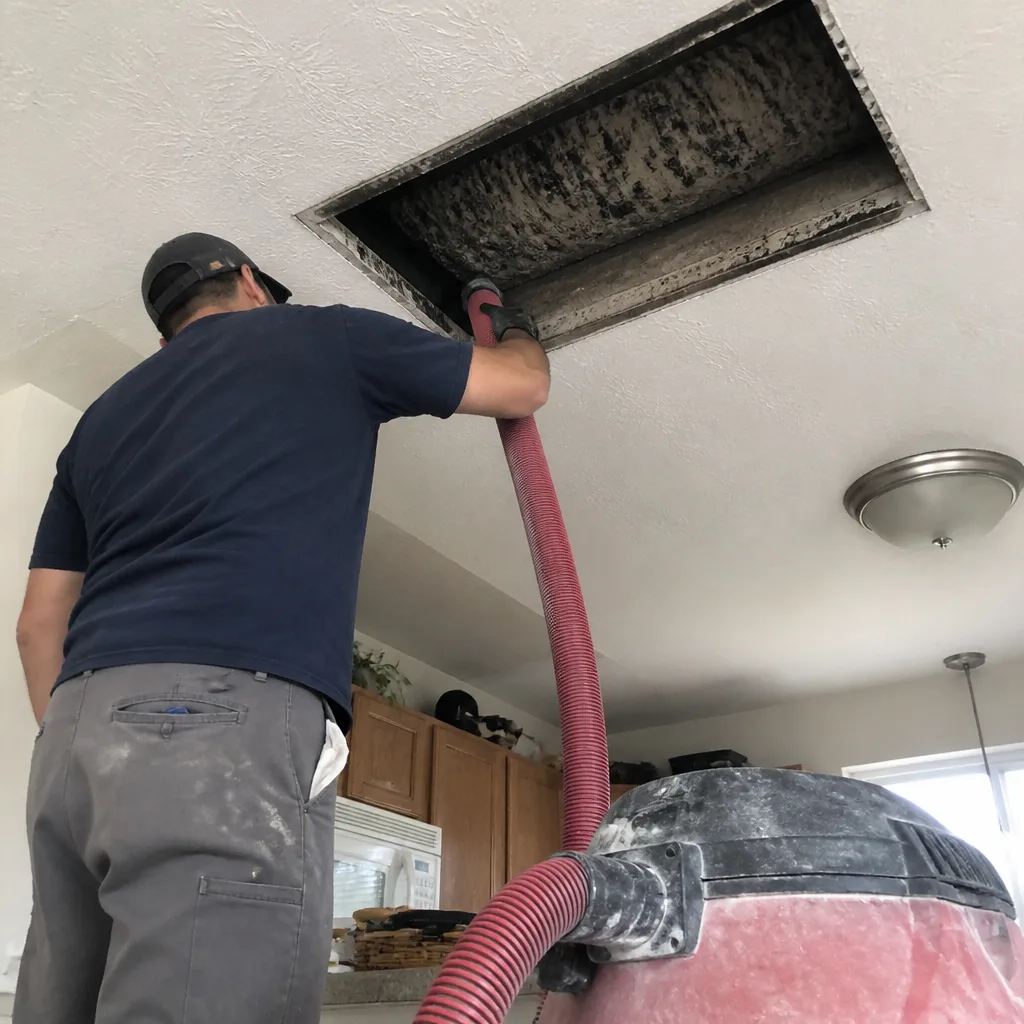 Before
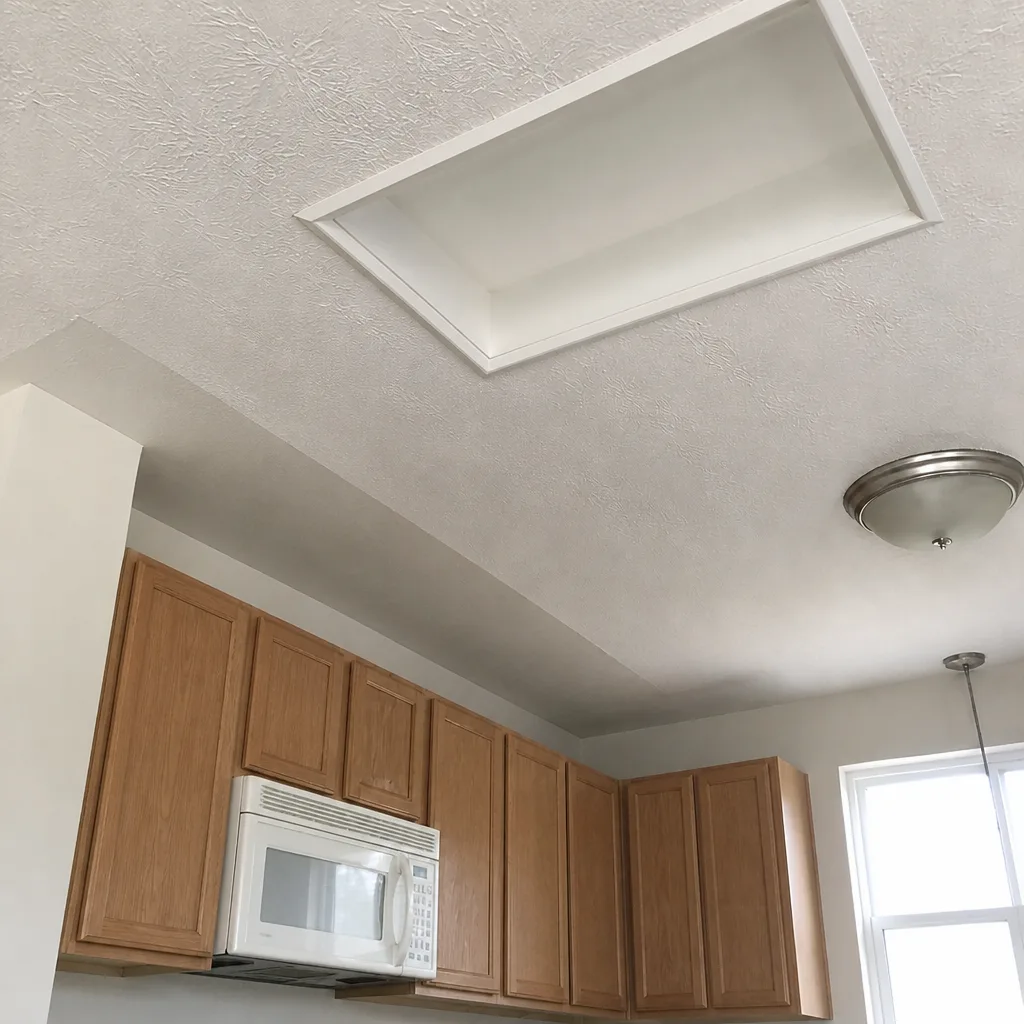 After
When to Call a Professional
Call a professional when a homeowner check reveals something you can see but can’t safely reach: detached or crushed flex duct at the plenum, visible mold or water damage anywhere in the system, dust plumes from more than two registers, or a musty smell that won’t clear after a filter change. Also call if you’ve recently finished construction or a major remodel, if you’ve moved into a home with unknown duct history, or if allergy symptoms spike every time the heat comes on. Homeowner checks keep the system honest between visits. Professional service clears what’s actually inside the ductwork. Ogden Air Duct Cleaning Co offers free estimates in Ogden – call (855) 658-5291. The estimate is free, and the price is set per job by the written estimate.
One safety note before you climb anywhere: if your inspection takes you near a gas furnace, gas lines, or the electrical panel, don’t open covers or reach past them. Most cities require a permit for anything beyond a filter change, and the safe thing is to have a trained professional handle gas, electrical, and confined-space work.
Frequently Asked Questions
Every three to five years for a typical Ogden home, sooner if you’ve had remodeling dust, pets, water intrusion, or a filter slot gap that let unfiltered air into the system for a while. Homes with new construction nearby or a history of musty smells often need it on the shorter end of that range. The monthly and quarterly checks tell you when the system is drifting toward a clean – call (855) 658-5291 for a free estimate when you see the signs.
MERV 11 is a practical starting point for a home with allergies and a pet, provided your blower can handle the restriction. Older Ogden furnaces sometimes can’t, which is why the rating should be matched to your equipment rather than picked off a chart. If you need higher filtration, we install Aprilaire and Honeywell filter cabinets built to handle that load. Call (855) 658-5291 for an exact quote – estimates are free.
It depends on the number of registers, the length of the runs, and whether the job includes repair and sealing. That’s why we price per system, by written estimate, rather than per vent – and why we don’t quote a teaser number over the phone. A short call gets you a real figure. Call (855) 658-5291 for an exact quote – estimates are free.
Usually because the price is per vent for a surface pass with a shop vac and a spinning brush, not a full-system clean with contact equipment and negative pressure. The low number often grows once the technician finds detached flex runs, crushed ducts, or a filter slot gap – and then you’re paying for the work you thought you’d already bought. Our approach is one flat price per system, agreed before work starts, with before-and-after photos of your own ducts so you know what changed. Call (855) 658-5291 for an exact quote – estimates are free.
Ask for before-and-after photos of your own ductwork, taken at your home, not a stock image. A technician should be able to show you what he removed and what he sealed, in pictures, and explain what the inspection found before he touched a tool. That’s the process we work to, and it’s why our estimates include a walkthrough conversation rather than just a number. Call (855) 658-5291 for an exact quote – estimates are free.
Yes, for the visual checks in this guide: the filter slot, register grilles, flex runs you can see with a flashlight, and the exterior dryer vent flap. Don’t open the furnace cabinet, reach past a gas line, or try to access ductwork in a crawlspace or attic without proper containment and fall protection. Anything involving gas, electrical, or confined space is a trained professional’s job. Call (855) 658-5291 if you find something you can see but can’t safely reach – estimates are free.
The Bottom Line
The maintenance checklist is the easy part. The filter slot seal, the monthly register walk, the quarterly flex check, and the annual full-system walkthrough are all things a homeowner can do with a flashlight and ten minutes. The hard part is knowing when a homeowner check has caught something that needs more than a look – a detached duct, a musty smell, dust plumes at multiple registers. Those are the moments that call for professional contact cleaning, negative pressure, and duct repair and sealing, done together. Build the monthly habit, log what you see, and call in a professional when the checklist points there. Call (855) 658-5291. We answer 24/7. Fast dispatch from 7am to 7pm, Sunday through Friday.
Written by the team at Ogden Air Duct Cleaning Co.